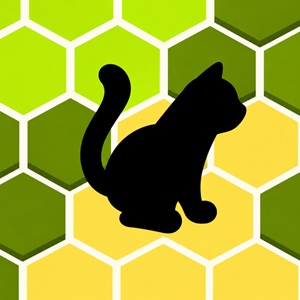
Trap The Cat
 Stone Skimming
 Crazy Roll 3D
 Count Masters
 Talking Tom Gold Run
 Hole Io
 Subway Surfers
 Geometry Dash Lite
 Geometry Dash 3D
 Geometry Dash Grief
 Geometry Dash Slow
 No Broke Dash
 Geometry Dash Wave
 Geometry Dash Meltdown 3D
 Geometry Dash Demons
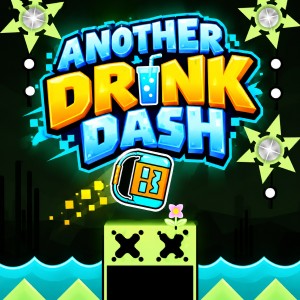 Another Drink Dash
 Geometry Dash Wave Challenge
 I Just Might Dash
 Geometry Dash Retray
 Geometry Dash Hairless Adventure
 Geometry Dash Press Start
 Geometry Dash Suponho
 Geometry Dash Switch
 On On Dash
 Victory Lap Dash
 Gaminia
 Infrunami
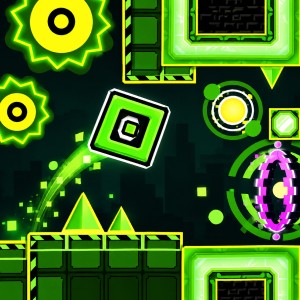 Geometry Dash Onward
 Geometry Dash Tidal Wave
 Geometry Dash Daily Level: Dream World
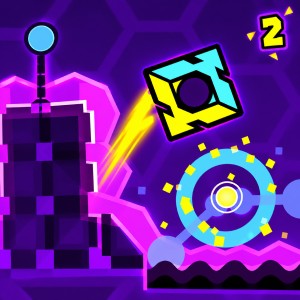 Geometry Jump 2
 Geometry Vibes 3D
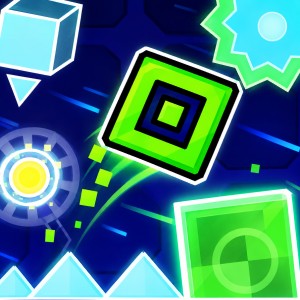 Geometry Dash Polargeist
 Geometry Jump
 Geometry Dash World
 Geometry Dash Wave 3D
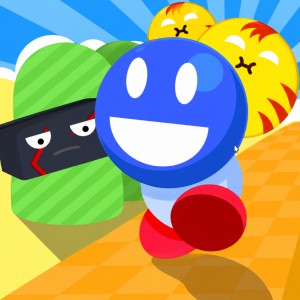 Gravity Run
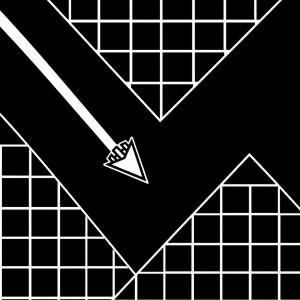 Geometry Arrow
 Challenge Rush
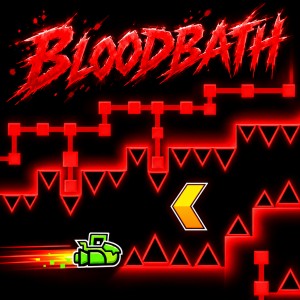 Geometry Dash Bloodbath
 Geometry Dash Breeze 3D
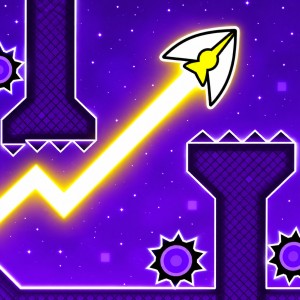 Space Waves
 Tap Road
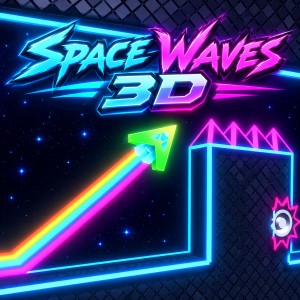 Space Waves 3D
 Find The Needle
 Slope 3
 Geometry Dash Spam 3D
 Curve Rush 2
 Geometry Arrow 3D
 Geometry Dash Breeze
 Geometry Vibes
 Geometry Dash Subzero
 Geometry Dash Scratch
 Geometry Dash Subzero 3D
 Geometry Dash Spam
 A Dance of Fire and Ice
 Bowmasters
 Geometry Dash Meltdown
 Geometry Dash Deadlocked
 Rodeo Stampede
 Iron Legion
 Melon Sandbox
 Geometry Dash Lite 3D
 Paper Minecraft
 Endacopia
 Geometry Dash Happy Halloween
 Geometry Black Ball
 Stickman Kombat 2D
Trap The Cat: Outsmart a Clever Feline with Every Move
Trap The Cat turns a simple grid into a surprisingly demanding battle of logic, where every decision can bring you closer to victory or give a clever feline another chance to escape. Instead of relying on speed or complicated controls, this engaging puzzle game challenges you to read the board, anticipate movement, and build an effective enclosure one obstacle at a time. What makes the experience particularly interesting is the way a seemingly harmless opening can become a serious problem when the cat finds an unexpected route toward the edge. Whether you prefer casual brain teasers or strategy games that reward careful thinking, the challenge lies in understanding the entire playing field and making every placement count.

Figure 1. Placing barriers to prevent the cat from escaping
Surround the Cat and Close Every Escape Route
The ultimate goal is to trap the cat before it reaches the boundary of the board, which means players must gradually transform the open grid into an enclosure with no available exit. At the beginning, the feline has plenty of room to move, so simply blocking a nearby cell rarely guarantees progress. You need to consider the relationship between surrounding spaces and identify which positions are most important to secure before the cat can take advantage of them.
Each successful placement brings a new opportunity to restrict movement, but the challenge becomes more demanding when the cat approaches an open corridor or finds an alternative direction. Instead of chasing its current position, focus on controlling the spaces ahead of it, creating a barrier arrangement that limits its choices and eventually leaves it completely surrounded.
Turn Careful Planning into a Winning Strategy
The most rewarding part of Trap The Cat comes from discovering how individual obstacles can work together to control a much larger area. A barrier placed in the right position may close an important passage, while another can prevent the cat from changing direction and reaching a nearby opening. This is why looking beyond the next move is essential, especially when several possible escape routes remain available.
As the puzzle develops, players must continually adjust their approach according to the cat's movement and the remaining open cells. Building a successful trap is not about filling the board as quickly as possible, but about recognizing valuable positions, protecting important areas, and gradually reducing the feline freedom until no escape remains.
Simple Controls That Put Strategy First
Getting started with Trap The Cat is straightforward because its interaction system keeps the focus on the puzzle rather than complicated commands. The accessible controls allow players to concentrate on the board, experiment with different placements, and refine their approach as they become more familiar with the cat movement.
-
Left Mouse Button: Click an available cell to place an obstacle and restrict the cat movement.
-
Touchscreen: Tap an available cell to place a barrier on supported mobile devices.
Although interacting with the board requires only a simple click or tap, choosing where to place each obstacle calls for considerably more thought. Before confirming a move, examine the spaces surrounding the cat and consider which direction it might take afterward. A little patience can prevent unnecessary mistakes, particularly when the remaining openings become limited and one poorly chosen position could weaken the entire enclosure.
Inside the Minimalist Puzzle World of Trap The Cat
Trap The Cat builds its identity around an uncomplicated visual environment that allows the puzzle itself to remain the center of attention. The grid, obstacles, and playful feline character provide everything players need to understand the current situation without introducing unnecessary distractions. This restrained presentation makes the game approachable from the first round, while the changing arrangement of available spaces creates a natural sense of progression as the challenge unfolds.
A Clean Color Palette That Keeps Every Move Clear
The visual design prioritizes clarity, using a simple grid arrangement to distinguish open cells from positions occupied by obstacles. This organization makes it easier to recognize potential routes, follow the cat location, and understand how each placement changes the surrounding area. As more barriers appear, the board gradually takes on a different shape, allowing players to see the progress of their strategy directly through the changing layout.
Rather than depending on elaborate animations or excessive visual effects, the game maintains a straightforward presentation that supports its logic-based mechanics. The cat remains the main point of interest, while the surrounding cells provide a clear overview of the available space, ensuring that players can focus on important decisions without losing track of the puzzle.
A Relaxed Puzzle Experience Without Rhythm Pressure
Unlike Geometry Dash, where successful movement often depends on responding to musical timing, Trap The Cat places logical reasoning at the heart of its gameplay. There is no need to coordinate jumps with a fast soundtrack or react to obstacles according to a particular beat, since each turn gives players an opportunity to consider the board and choose their next move.
This slower pace creates a more relaxed atmosphere without making the challenge less engaging. Players can take their time to examine possible escape routes, think through different outcomes, and decide how to restrict the cat movement. Any background audio complements the casual experience rather than determining the timing or difficulty of individual moves.
A Playful Grid Design with a Strategic Twist
The minimalist presentation gives Trap The Cat a recognizable personality by combining a playful feline character with a puzzle environment built around positioning and spatial awareness. There are no elaborate platforming stages or complicated environments competing for attention, allowing the grid itself to become the main source of visual progression. As the cat moves and players add more obstacles, the available space changes gradually, making the developing strategy easy to follow.
This contrast between the game friendly appearance and its demanding decisions is an important part of its appeal. What initially looks like a simple board soon becomes a strategic space where every opening matters, encouraging players to pay closer attention to the relationship between the cat, the barriers, and the outer boundary.
Master the Grid Through Smart Obstacle Placement
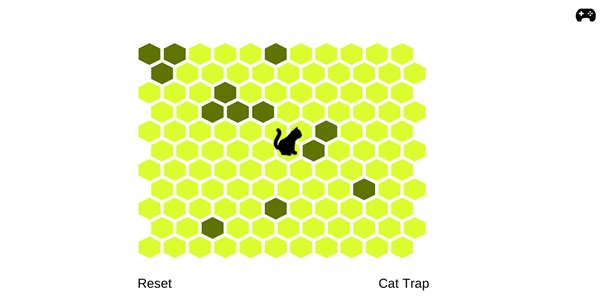
Figure 2. Place the smart block around the cat
Turn Each Barrier into Part of a Larger Plan
Obstacle placement is the defining mechanic of Trap The Cat, giving players the ability to restrict movement while forcing them to think about the consequences of every decision. Each available cell offers a potential opportunity to control the board, but its actual value depends on how it connects with nearby spaces. Blocking one direction may seem like a useful move, yet the cat can still escape if another passage remains open.
A stronger strategy involves identifying important corridors and gradually limiting access to the areas surrounding them. Rather than scattering obstacles across unrelated positions, concentrate on placements that work together to reduce the cat movement options. Once the available space becomes smaller, the remaining cells become increasingly important, making thoughtful positioning essential to completing the puzzle.
Anticipate the Cat Instead of Following Its Every Move
The cat ability to change position after obstacle placements keeps each round interesting because players cannot rely on a fixed sequence of moves. Every new position changes the surrounding situation, requiring you to reconsider the available routes and decide whether your original plan still offers a realistic chance of success. This constant adjustment turns the puzzle into a contest of prediction, where understanding what might happen next is just as important as responding to what has already happened.
To improve your decisions, look beyond the cat immediate surroundings and examine how different open cells connect to the boundary. Identifying these paths before they become dangerous gives you more opportunities to interrupt the cat movement and maintain control over the board.
Handle Difficult Situations with Better Positioning
The challenge becomes more intense when the cat has several possible directions or moves closer to an open edge, since poorly placed obstacles may leave insufficient opportunities to complete the enclosure. During these moments, prioritize the routes that offer the most direct escape rather than focusing on cells that have little influence on the overall situation. Keeping track of the entire grid also helps prevent unexpected movement through an opening that might otherwise go unnoticed.
If the cat moves in a direction you did not anticipate, use the new position as information for your next decision instead of continuing with an ineffective plan. Adapting to changing circumstances is essential because a successful trap often requires several connected placements rather than one isolated move.
Winning Strategies for Trapping the Cat
Read the Board Before Making Your Next Move
A good understanding of the grid can make the difference between a promising attempt and an easy escape. Before placing an obstacle, examine the available paths between the cat and the outer boundary, paying particular attention to connected openings that could provide an alternative route. By recognizing these possibilities early, you can protect important areas before the cat reaches them and avoid wasting valuable placements.
Build a Trap Instead of Blocking Random Spaces
Effective obstacle placement requires a clear sense of direction, so try to make every barrier contribute to the same overall objective. Closing an important passage, restricting access to a nearby area, or reducing the number of available directions can all help bring the cat closer to being surrounded. When these decisions work together, the board gradually becomes easier to control, allowing you to create a more reliable enclosure without depending on random guesses.
Stay Patient Until the Cat Has Nowhere to Go
Rushing through the puzzle can easily undo an otherwise promising strategy, particularly when the cat still has enough room to change direction and discover another opening. Take time to consider the possible consequences of each placement, remain aware of the remaining escape routes, and adjust your approach whenever the situation changes. With consistent observation and a willingness to think several moves ahead, you can turn even a difficult round into an opportunity to improve your strategy.For those who want to explore more browser gaming experiences after trapping the cat, A Dance of Fire and Ice and Curve Rush 2 provide two different styles of gameplay worth discovering.
Trap The Cat offers a refreshing take on casual puzzle gaming by transforming a simple grid into a challenge that rewards intelligence, patience, and spatial awareness. Its easy-to-understand controls make every round accessible, while the clever interaction between obstacle placement and feline movement gives players plenty of reasons to refine their approach. Every successful enclosure feels like the result of a well executed plan, making the moment when the cat finally runs out of escape routes especially satisfying.