Geometry Dash Meltdown 3D
 Stickman Kombat 2D
 Geometry Black Ball
 Melon Sandbox
 Hole Io
 Paper Minecraft
 Endacopia
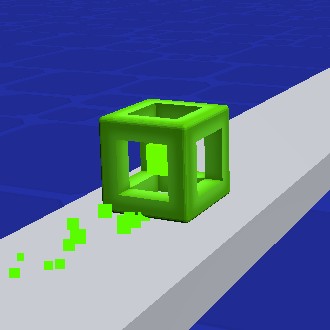 Geometry Dash 3D
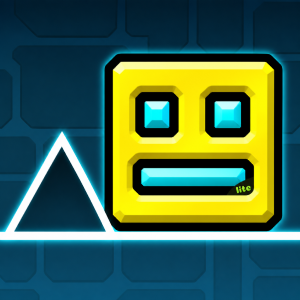 Geometry Dash Lite
 On On Dash
 Geometry Dash Wave
 No Broke Dash
 Geometry Dash Slow
 Another Drink Dash
 Geometry Dash Onward
 Victory Lap Dash
 Geometry Dash Grief
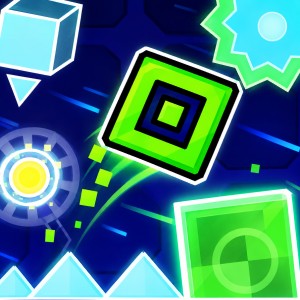 Geometry Dash Polargeist
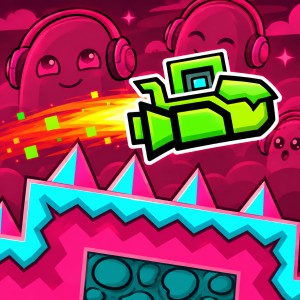 I Just Might Dash
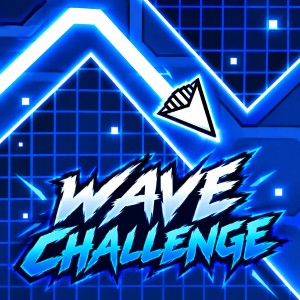 Geometry Dash Wave Challenge
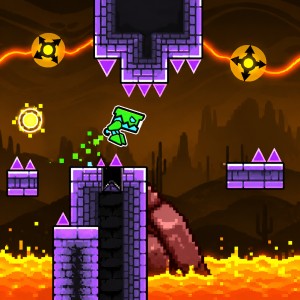 Geometry Dash Press Start
 Geometry Dash Demons
 Gaminia
 Infrunami
 Geometry Dash Retray
 Geometry Dash Tidal Wave
 Geometry Dash Switch
 Geometry Dash Hairless Adventure
 Geometry Vibes 3D
 Geometry Dash Suponho
 Geometry Dash Daily Level: Dream World
 Geometry Dash World
 Geometry Jump
 Geometry Arrow
 Geometry Jump 2
 Geometry Dash Breeze 3D
 Geometry Dash Bloodbath
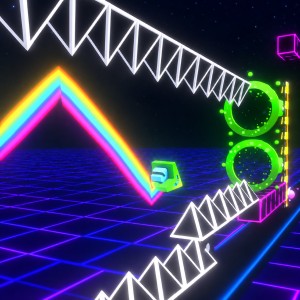 Geometry Dash Spam 3D
 Geometry Dash Subzero 3D
 Geometry Arrow 3D
 Crazy Roll 3D
 Geometry Dash Lite 3D
 Geometry Dash Happy Halloween
 Geometry Dash Scratch
 Geometry Dash Subzero
 Geometry Dash Spam
 Geometry Dash Meltdown
 Geometry Dash Breeze
 Geometry Vibes
 Geometry Dash Deadlocked
 Count Masters
 Talking Tom Gold Run
 Subway Surfers
How Does Geometry Dash Meltdown 3D Transform Classic Platforming?
A perfectly timed jump can be the difference between clearing a dangerous obstacle and restarting an entire run, but when the familiar geometric world expands into a three dimensional environment, judging distances and anticipating the next movement becomes an even more engaging challenge. Geometry Dash Meltdown 3D builds on the recognizable formula of fast paced platforming by combining automatic forward movement, precise obstacle avoidance, and a deeper visual perspective that changes how players experience each section of the course.
Unlike the original Geometry Dash Meltdown, which presents its gameplay through a traditional 2D side scrolling view, Geometry Dash Meltdown 3D introduces a more spatial presentation in which geometric structures, surrounding scenery, and perspective contribute to the feeling of moving through an immersive obstacle course. Players must guide their character past dangerous spikes, gaps, and other hazards while reacting to the continuously advancing route, making visual awareness just as important as the timing of each input.
The game follows the general design philosophy of the Geometry Dash series, where simple controls support increasingly demanding sequences of jumps and movement adjustments, although this 3D adaptation should be distinguished from the official Geometry Dash Meltdown release developed by RobTop Games. Its appeal lies in exploring how familiar rhythm platforming ideas feel when presented with greater visual depth, allowing players who enjoy the original formula to approach obstacle navigation from a different perspective without needing to learn an unnecessarily complicated control system.
At first, the objective is easy to understand because players only need to recognize the upcoming hazard and activate the appropriate movement at the right moment, yet the challenge grows as obstacles appear closer together and the available reaction time becomes increasingly limited. A jump that succeeds on an open stretch may fail when the landing area is narrow, while an unfamiliar perspective can make it harder to estimate when the character will reach the next obstacle, encouraging players to study the course, recognize recurring patterns, and develop more consistent timing through repeated attempts.

Figure 1. Square shaped character in a 3D version
What Makes the 3D Visual Style Different?
The visual identity of Geometry Dash Meltdown 3D is defined by its three-dimensional presentation, which gives the geometric environment a stronger sense of depth and makes the movement through each obstacle sequence feel different from the flat, side-on composition of the original game. Instead of concentrating exclusively on the horizontal arrangement of platforms and hazards, players must interpret the character's position in relation to the surrounding structures, creating a more immersive experience in which perspective influences how the route is perceived.
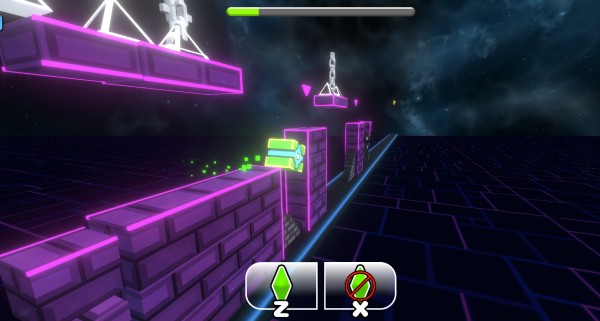
Figure 2. Screenshot of a 3D game level with extreme depth
Depth, Perspective, and Spatial Awareness
The most significant distinction between Geometry Dash Meltdown 3D and the original 2D Geometry Dash Meltdown is the way the environment presents space, because the traditional side scrolling format makes obstacle positions relatively straightforward to interpret while a 3D perspective can introduce a different visual relationship between the character, the course, and the objects ahead. This change encourages players to look beyond the character's immediate position and pay closer attention to the approaching route, especially when the arrangement of platforms or hazards requires a carefully timed response.
Perspective also influences the way players build familiarity with a level, since recognizing the shape and position of an upcoming obstacle becomes more useful than relying exclusively on a quick visual reaction at the last moment. As players become accustomed to the environment, they can learn to anticipate difficult sections, distinguish safe paths from dangerous areas, and adjust their timing according to the visual information available on the screen.
Colorful Geometry and Environmental Detail
Geometric structures, contrasting colors, and layered scenery give the game a more dimensional appearance while preserving the bold visual language associated with rhythm based platformers. The surrounding environment helps establish the atmosphere of the course, while recognizable obstacle shapes give players visual reference points that can make it easier to distinguish interactive hazards from decorative details during fast moving sequences.
The effectiveness of this presentation depends on balancing visual richness with readability, because players need to recognize the next obstacle quickly without becoming distracted by background elements or lighting effects. When the geometric design remains clear, the additional depth can make the course feel more dynamic while helping each jump, landing, and movement transition stand out against the environment.
Animation and Movement Feedback
Continuous forward movement gives the gameplay its energetic pace, while the changing position of the character and the environment provides visual information about the distance remaining before the next obstacle. These movement cues encourage players to anticipate what comes next rather than waiting until a hazard reaches the character, which becomes especially valuable when a sequence requires several accurately timed actions in succession.
A well presented movement sequence also makes mistakes easier to understand, because players can review the position of the character relative to an obstacle and identify whether their input was too early or too late. Although the exact animations and visual effects depend on the particular version being played, the central purpose of the 3D presentation is to make the obstacle course feel more spatial without losing the immediate, precision focused gameplay that defines this style of platforming.
Unique Features That Define Geometry Dash Meltdown 3D
Geometry Dash Meltdown 3D distinguishes itself through the combination of recognizable obstacle based gameplay and a three dimensional visual approach, giving players an alternative way to experience automatic movement, timed jumps, and increasingly demanding navigation. Rather than relying on a complicated set of abilities, the game places greater emphasis on interpreting the course, responding to hazards, and learning the movement patterns required to reach the finish line.
Three Dimensional Environment and Course Navigation
The expanded visual perspective is the defining characteristic of Geometry Dash Meltdown 3D, as the environment creates a stronger impression of depth while changing how players judge the position of obstacles along the route. This presentation can make familiar platforming actions feel less predictable at first, particularly for players accustomed to the straightforward spatial layout of traditional 2D levels.
Success depends on learning how the course appears from the available camera perspective and recognizing the relationship between the character and the next obstacle before committing to a movement. Once players become familiar with these visual cues, they can navigate the route more confidently, respond earlier to difficult sections, and avoid relying on last second reactions that leave little room for correction.
Automatic Movement and Precision Based Controls
Automatic forward movement keeps the action focused on timing rather than on controlling every aspect of the character's direction, allowing players to concentrate on when to jump and how to respond to hazards along the course. This simple control structure makes the game accessible to newcomers while maintaining a demanding learning curve, because each movement must be performed within a limited window if the character is to clear the obstacle safely.
The challenge becomes more noticeable when multiple hazards appear in quick succession, since the player must consider not only whether the current jump will succeed but also where the character will land and how much time will remain before the next action. Developing consistent timing is therefore more useful than pressing the controls repeatedly, as deliberate inputs help players maintain control and recognize the patterns that connect one obstacle sequence to another.
Cube and Ship Movement
Some versions of Geometry Dash Meltdown 3D include cube and ship sections that introduce different movement requirements within the same course, making it important for players to recognize when the character's behavior changes. Cube gameplay focuses on jumping over ground based hazards and gaps, whereas ship gameplay requires more careful management of vertical movement to pass through confined spaces without colliding with the surrounding obstacles.
These movement differences create additional variety because a technique that works during a standard jumping section may not be suitable when the character enters a flying section. Players should pay attention to any transformation portals and adjust their input timing accordingly, while remembering that the available character forms and mechanics may differ between individual browser adaptations.
Practice Mode and Checkpoint Based Learning
When Practice Mode and checkpoint placement are available, they provide a useful way to learn difficult sections without having to repeat the entire course after every mistake. Players can concentrate on a particularly demanding sequence, observe how the character responds to different inputs, and repeat the movement until the timing becomes more familiar.
This approach makes improvement more systematic because each attempt can focus on a specific problem instead of treating the whole level as a single challenge. Once the difficult sections become more manageable, players can return to a complete run with a clearer understanding of the route and a better chance of maintaining consistent movement from the beginning to