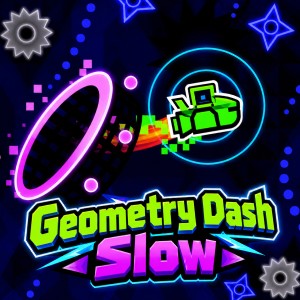
Geometry Dash Slow
 Stickman Kombat 2D
 Geometry Black Ball
 Melon Sandbox
 Hole Io
 Paper Minecraft
 Endacopia
 Geometry Dash 3D
 Geometry Dash Lite
 On On Dash
 Geometry Dash Wave
 No Broke Dash
 Geometry Dash Meltdown 3D
 Another Drink Dash
 Geometry Dash Onward
 Victory Lap Dash
 Geometry Dash Grief
 Geometry Vibes
 Geometry Dash Polargeist
 I Just Might Dash
 Geometry Dash Wave Challenge
 Geometry Dash Press Start
 Geometry Dash Demons
 Gaminia
 Infrunami
 Geometry Dash Retray
 Geometry Dash Tidal Wave
 Geometry Dash Switch
 Geometry Vibes 3D
 Geometry Dash Hairless Adventure
 Geometry Dash Suponho
 Geometry Dash Daily Level: Dream World
 Geometry Dash World
 Geometry Jump
 Geometry Jump 2
 Geometry Dash Breeze 3D
 Geometry Arrow
 Geometry Dash Bloodbath
 Geometry Dash Spam 3D
 Geometry Dash Subzero 3D
 Geometry Arrow 3D
 Crazy Roll 3D
 Geometry Dash Lite 3D
 Geometry Dash Happy Halloween
 Geometry Dash Scratch
 Geometry Dash Subzero
 Geometry Dash Spam
 Geometry Dash Meltdown
 Geometry Dash Breeze
 Geometry Dash Deadlocked
 Count Masters
 Talking Tom Gold Run
 Subway Surfers
Geometry Dash Slow: Discover a Different Way to Master Every Jump
Geometry Dash Slow offers an obstacle course experience where patience, concentration, and precise timing can be just as important as quick reactions. Players must pay attention to the path ahead, judge distances between hazards, and choose the right moment to move through each section without losing control of their progress. Even a small mistake can interrupt a promising run, making successful movements feel more rewarding as players gradually become familiar with the course.
The appeal of this style of gameplay comes from the relationship between simple actions and thoughtful decisions, allowing players to focus on understanding the environment rather than learning a complicated set of commands. Recognizing the shape of the route, anticipating what comes next, and adjusting movements to suit the available space all contribute to a more controlled experience. Although the name Geometry Dash Slow suggests a more measured approach to the familiar obstacle jumping formula, the exact pace, controls, and mechanics depend on the version being played.

Figure 1. Discover Geometry Dash Slow
Learning the Game Through Movement
Understanding Timing and Position
Success depends on more than clearing the obstacle directly ahead, because players must also consider where the character will land and how much space remains before the next hazard appears. A jump that successfully clears one obstacle may create a difficult situation if the landing area is too narrow to prepare for another movement, which makes it important to look beyond the immediate threat and understand how different parts of the course connect.
Instead of reacting separately to every spike or gap, players can study the route as a sequence of connected challenges and anticipate how one movement affects the next. This approach encourages more deliberate decisions, reduces unnecessary reactions, and helps players develop a better understanding of the space available around each obstacle.
Building Consistency Through Practice
Improvement begins when players learn from failed attempts instead of repeating the same actions without considering what went wrong. A collision may result from jumping too early, reacting too late, or misjudging the landing position, so identifying the likely cause makes it easier to adjust the next attempt and avoid repeating the same mistake.
Small adjustments are often more useful than changing several actions at once, particularly when a difficult section requires accurate timing and careful positioning. By focusing on one part of the course and refining the movement needed to pass it, players can gradually develop more consistent performance while gaining a clearer understanding of the challenges ahead.
Reading Obstacles as a Moving Puzzle
Why Landing Space Matters
Every obstacle influences the choices available for the next movement, meaning that a successful jump should be judged by more than whether the character avoids the immediate hazard. A wide opening may provide enough room to prepare for the following section, while a narrow landing can demand greater accuracy and leave less opportunity to correct an earlier mistake.
Looking beyond the nearest obstacle becomes especially useful when several hazards appear close together, as players need to consider both their immediate movement and the position they will occupy afterward. By recognizing how landing space affects the next decision, players can approach the course with greater awareness instead of relying entirely on last second reactions.
Turning Mistakes Into Better Decisions
A failed attempt can reveal useful information about distance, timing, and the arrangement of nearby obstacles, particularly when players pay attention to the exact moment their movement goes wrong. Remembering these details gives the next run a clear purpose, allowing players to adjust their approach instead of repeating an unsuccessful action without understanding its cause.
Over time, familiar sections may become easier to navigate because their layouts no longer feel unexpected, and players can begin to recognize patterns before reaching the most demanding points. This gradual improvement comes from observing the environment, refining movement, and understanding how individual decisions influence the rest of the run.
Visual Design and the Atmosphere of Geometry Dash Slow
Geometric Shapes and Clear Visual Structure
Geometry Dash style environments often use geometric shapes, sharply defined hazards, and side scrolling layouts to create a recognizable visual language that makes the course feel organized despite its demanding obstacles. Spikes, circular objects, rectangular frames, and angular platforms can give individual sections their own character, while the arrangement of these elements influences how players interpret the available route.
The contrast between the main character and the surrounding environment also plays an important role in visual clarity, because important objects are easier to recognize when their outlines remain distinct from the background. When the scenery contains too many competing details, players may need to concentrate more carefully to distinguish the actual hazards from the decorative elements surrounding them.
Color, Contrast and Visual Details
The visible scenes associated with Geometry Dash Slow feature bright blue and purple outlines against a dark background, creating a luminous appearance that helps individual structures stand out from their surroundings. Sharp edges communicate a sense of danger, while circular patterns, layered borders, and angular arrangements introduce variety into the visual composition without relying entirely on conventional ground spikes.
These details contribute to a mechanical atmosphere in which glowing outlines and contrasting shapes give the environment a distinctive appearance. The combination of bright colors and intricate geometry also makes the obstacles visually recognizable, although the actual difficulty of navigating them depends on their placement and the movement required to pass through each section.
Sound and Movement
Music can contribute to the atmosphere and may help players anticipate movement when obstacles follow a consistent musical pattern, allowing sound to complement the visual information available on screen. However, players should not assume that every hazard is synchronized with the soundtrack, since the relationship between music and obstacle placement may vary depending on the particular version or level.
When sound and movement work together, the experience can feel more cohesive, but visual positioning remains an important reference for deciding when to act. Paying attention to the character's location and the shape of the route helps players make informed movements even when the soundtrack does not provide a reliable timing cue.
Obstacle Design and the Challenges Hidden in Geometry Dash Slow
Geometry Dash Slow features visually varied structures that include spiked wheels, interconnected geometric frames, and curved arrangements of glowing circles, creating an environment that feels more intricate than a course made entirely from simple hazards. Their bright blue and purple outlines contrast with the dark scenery, giving each structure a recognizable appearance while encouraging players to pay attention to the space around the character.
Spiked Wheels and Jagged Mechanical Hazards
One of the most striking structures is a large blue wheel surrounded by uneven triangular spikes, with pointed teeth extending at different angles to create a silhouette resembling a circular saw. Pale blue lines cross the dark circular center like branching electrical cracks, while a chain hanging beneath the structure adds an industrial detail that makes the obstacle look more complex than a simple row of ground spikes.
The sharp outer edges dominate the design, while the luminous patterns draw attention toward the center and give the wheel a layered appearance against the nearly black background. This combination of pointed shapes, bright colors, and mechanical details creates a strong visual impression of danger, making the wheel one of the most distinctive structures in the visible environment.
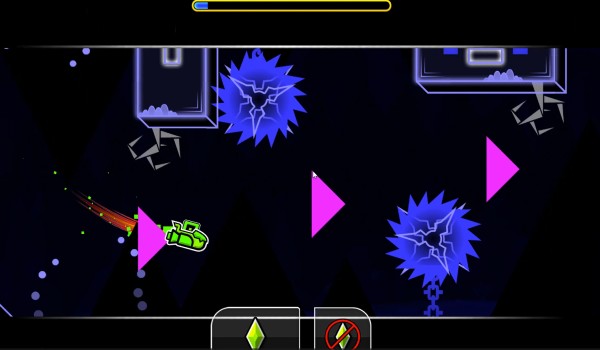
Figure 2. Clusters of sharp spiked traps
Geometric Frames and Interconnected Traps
Another distinctive structure consists of a rectangular frame filled with circular nodes, narrow bars, and square outlines, with several glowing borders creating a layered appearance against the dark background. The circles form vertical sequences connected by straight lines, while the square shapes interrupt the repeated arrangement and introduce more variety into the overall pattern.
A narrow zigzag extension beneath one of the squares adds a sharper detail that contrasts with the rounded nodes and straight connectors nearby, creating a design that resembles an abstract mechanical circuit. Unlike the spiked wheel, which draws attention through its outer silhouette, this structure creates visual complexity through the arrangement of numerous smaller components and the relationship between its geometric shapes.
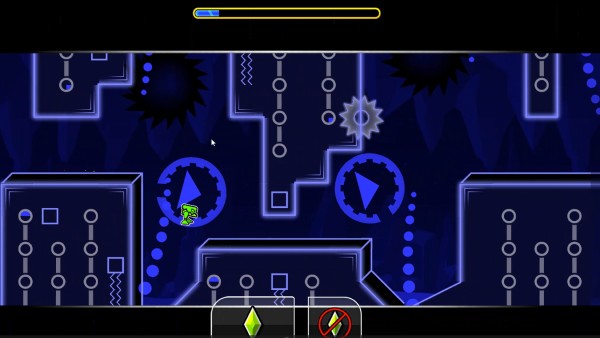
Figure 3. Moving beyond the geometric framework of the connectivity trap
Curved Patterns and Contrasting Shapes
Bright blue dots form a curved path around a larger circular mechanism, creating a flowing arrangement that contrasts with the rigid rectangular structures and vertical lines nearby. A vivid green character stands out against the blue and purple scenery, while additional angular platforms contribute to the layered appearance of the environment and make the composition feel more varied.
The curved arrangement introduces a different visual rhythm into a setting dominated by straight lines and sharp corners, as circular forms guide the eye along an arc while rectangular borders establish boundaries and pointed details create a more aggressive appearance. These contrasting shapes give the environment a recognizable mechanical style without making every section look identical.
How Obstacles Shape the Player Experience
Each group of obstacles contributes a different visual effect, with spiked wheels emphasizing danger, interconnected frames introducing complexity, and curved patterns breaking up the rigid layout. Players must distinguish the main route from surrounding details and pay attention to the character's position as they approach each section, especially when several structures occupy the same area of the screen.
The combination of sharp edges, glowing outlines, and mechanical patterns gives Geometry Dash Slow a distinctive visual identity while making observation an important part of the experience. Understanding the surrounding space can help players approach each movement more deliberately, while the variety of shapes makes the environment more engaging to explore.
Simple Controls and Meaningful Challenges
The appeal of Geometry Dash Slow lies in the possibility of creating a demanding experience through relatively simple actions, since even a single jump can require careful judgment when obstacles are closely spaced or the landing area offers little room for error. Rather than depending entirely on complicated commands, this style of gameplay places greater emphasis on understanding the course, recognizing useful visual cues, and choosing movements that leave enough space for what comes next.
Players who enjoy learning patterns, refining their timing, and improving through repeated attempts may appreciate this approach, particularly when each new run provides an opportunity to understand a previously difficult section. Those who prefer a more relaxed experience can treat each attempt as a small problem to solve rather than a race against the clock, although the actual pace and challenge depend on the version being played.
Practical Tips for Better Runs
Look Beyond the Nearest Obstacle
Pay attention to the landing area before committing to a jump, because understanding what comes immediately after the current hazard can prevent a successful movement from leading directly into another collision. Looking ahead also gives players more time to recognize narrow spaces and prepare for sections that require a more precise response.
Adjust One Action at a Time
When a jump fails, change its timing slightly on the next attempt instead of modifying several actions at once, as this makes it easier to identify which adjustment produces a better result. A consistent approach helps players understand their mistakes and develop a clearer sense of the timing required for difficult sections.
Recognize Repeating Patterns
Observe how spikes, gaps, and geometric structures appear in relation to one another, particularly when similar arrangements occur throughout the course. Remembering familiar patterns can reduce hesitation and help players prepare for upcoming obstacles without relying entirely on last second reactions.
Avoid Unnecessary Inputs
Learn how the particular version responds to its controls before experimenting with repeated taps or longer presses, since unnecessary inputs can make movement less predictable when precise timing is required. Understanding the available controls and using them consistently can help reduce mistakes caused by uncertainty.
Treat Every Attempt as Feedback
After a collision, consider whether the problem came from timing, positioning, or a missed visual cue, then use that observation to guide the next attempt. This method turns repetition into a learning process and gives each new run a clear purpose instead of encouraging players to repeat the same unsuccessful movement.
Who Might Enjoy Geometry Dash Slow?
Geometry Dash Slow may appeal to players who enjoy obstacle courses, geometric environments, and challenges that reward concentration, especially those who prefer improving through observation rather than relying entirely on quick reactions. Beginners may appreciate the straightforward concept, while experienced platform game fans may enjoy refining their timing and learning to recognize more complicated obstacle arrangements.
The overall appeal depends on the specific version and its level design, since players looking for a story driven adventure or extensive character progression may find this style comparatively limited. However, those who enjoy short challenges, recognizable patterns, and gradual improvement may find the experience engaging as they work toward more consistent runs.
Video Games
Frequently Asked Questions
What Is Geometry Dash Slow?
Geometry Dash Slow is a title associated with a Geometry Dash style obstacle game in which the player navigates a course filled with hazards, although the precise mechanics and available content depend on the version being played.
How Do You Play Geometry Dash Slow?
The general objective is to guide the character through the course while avoiding hazards and maintaining control of each movement, so players should check the instructions displayed by the game to confirm which controls are supported.
Is Geometry Dash Slow Easier Than the Original Game?
A slower pace may provide more time to observe obstacles and prepare movements, but the overall difficulty also depends on the arrangement of hazards, the available landing space, and the accuracy required to complete each section.
How Can Beginners Improve Their Performance?
Beginners can start by studying the route, paying attention to landing positions, and making small adjustments after failed attempts, while learning to recognize repeated patterns can make familiar sections easier to navigate over time.
Does Music Help With Timing?
Music may provide a useful reference when movements consistently correspond with the soundtrack, but players should still pay attention to visual cues and the character's position because musical synchronization should not be assumed for every obstacle.
What Makes the Obstacle Design Distinctive?
The visible structures include spiked wheels, interconnected geometric frames, circular patterns, and luminous outlines, which combine to create a mechanical visual style that offers more variety than a course built entirely from simple spikes.
Discover Your Own Rhythm in Geometry Dash Slow
Geometry Dash Slow offers an engaging concept built around movement, observation, and the challenge of navigating a visually detailed course, with sharp hazards, intricate geometric structures, and contrasting colors giving the environment a recognizable identity. The relationship between timing, obstacle placement, and landing position also creates opportunities for gradual improvement, allowing players to understand the route and approach difficult sections with greater confidence.
Players who enjoy learning from mistakes and finding better ways through an obstacle course may appreciate its straightforward yet demanding nature, especially when each attempt reveals something useful about the surrounding layout. If you want to explore the available game and discover more Geometry Dash content and find a challenge that suits your play style.