Geometry Dash Polargeist
 Stickman Kombat 2D
 Geometry Black Ball
 Melon Sandbox
 Hole Io
 Paper Minecraft
 Geometry Dash Happy Halloween
 Geometry Dash 3D
 Geometry Dash Lite
 On On Dash
 Geometry Dash Wave
 No Broke Dash
 Geometry Dash Meltdown 3D
 Geometry Dash Slow
 Another Drink Dash
 Geometry Dash Onward
 Geometry Dash Grief
 Geometry Vibes
 Victory Lap Dash
 I Just Might Dash
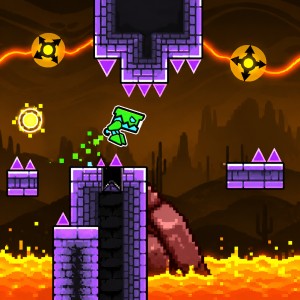 Geometry Dash Press Start
 Geometry Dash Demons
 Geometry Dash Wave Challenge
 Gaminia
 Infrunami
 Geometry Dash Retray
 Geometry Dash Tidal Wave
 Geometry Dash Switch
 Geometry Vibes 3D
 Geometry Dash Hairless Adventure
 Geometry Dash Suponho
 Geometry Dash Daily Level: Dream World
 Geometry Dash World
 Geometry Jump
 Geometry Jump 2
 Geometry Dash Breeze 3D
 Geometry Arrow
 Geometry Dash Bloodbath
 Geometry Dash Spam 3D
 Geometry Dash Subzero 3D
 Geometry Arrow 3D
 Crazy Roll 3D
 Geometry Dash Lite 3D
 Geometry Dash Scratch
 Geometry Dash Subzero
 Geometry Dash Spam
 Geometry Dash Meltdown
 Geometry Dash Breeze
 Geometry Dash Deadlocked
 Count Masters
 Talking Tom Gold Run
 Subway Surfers
 Endacopia
The Origins of Polargeist
Polargeist introduces players to a more demanding stage of rhythm based platforming, where music, movement, and obstacle placement work together to create a steadily increasing challenge. As part of the original Geometry Dash level progression, it builds on the fundamental skills introduced earlier while preparing players for more complex sequences ahead.
The level emphasizes the relationship between rhythm and reaction, encouraging players to pay attention to the course rather than relying on instinct alone. Each jump requires careful timing, while newly introduced mechanics add variety to the familiar process of avoiding hazards and moving toward the finish.

Figure 1. A neon colored square icon
A Milestone in the Level Progression
Building Skills Through Rhythm and Precision
Positioned among the early official levels, Polargeist helps players develop a stronger understanding of jumping, landing, and responding to obstacles. Its sequences require more precise inputs than the earliest stages, making it an important step toward the increasingly difficult challenges found later in the game.
Although the difficulty rises, the basic controls remain accessible to newcomers. Players can gradually learn how to judge gaps, recognize hazards, and use interactive objects while becoming more comfortable with the rhythm based gameplay.
Exploring the Level
The Journey from Start to Finish
The course combines straightforward jumps with more demanding sequences that test timing and coordination. Early sections establish the pace, while later portions introduce new patterns and mechanics that require players to adapt their approach. Consecutive jumps and carefully placed obstacles make it important to anticipate what lies ahead instead of reacting at the last moment.
As the level progresses, the gameplay shifts beyond standard platforming through the introduction of a flying section. These changes give the course greater variety while reinforcing the importance of controlled movement. Reaching the finish depends on applying the skills learned throughout the level and maintaining consistency during its more challenging passages.
Setting and Environment
Polargeist uses the geometric visual style associated with Geometry Dash, combining bright outlines, angular structures, and contrasting backgrounds to create a distinctive arcade atmosphere. The environment complements the movement and obstacle patterns without replacing the main focus of the gameplay.
The arrangement of blocks, platforms, and decorative elements gives the course a clear visual structure, helping players distinguish the path from the surrounding scenery. Together with the soundtrack, these elements create a cohesive presentation that supports the level's rhythm and pace.
A World Defined by Color and Geometry
The Green Glow That Defines the Level
A vivid green palette plays a prominent role in Polargeist's visual identity, giving the geometric structures a bright, energetic appearance. Glowing outlines and contrasting details make the environment visually distinctive while preserving the sharp shapes that define the course.
The use of color also helps establish the atmosphere of each section, complementing the steady movement and rhythmic structure. Rather than relying on realistic scenery, the level uses abstract forms and luminous details to maintain the recognizable arcade aesthetic of the series.
Patterns and Shapes in the Background
Geometric patterns and decorative structures provide depth to the environment while keeping attention on the route ahead. Their arrangement complements the angular platforms and obstacles, creating a consistent visual style throughout the course.
The contrast between the background and the playable path is important because players must identify hazards quickly while moving at a steady pace. Clear shapes and recognizable outlines help maintain visual readability during more demanding sequences.
Glowing Details and Collectible Coins
Bright outlines distinguish blocks, platforms, and other structures from the surrounding environment. Collectible coins and interactive objects provide additional visual points of interest, encouraging players to look beyond the main route while remaining aware of nearby hazards.
These optional objectives add another layer to the level, as collecting them may require alternative movements or more precise timing. Players who aim to find every coin must balance exploration with the need to complete the course safely.
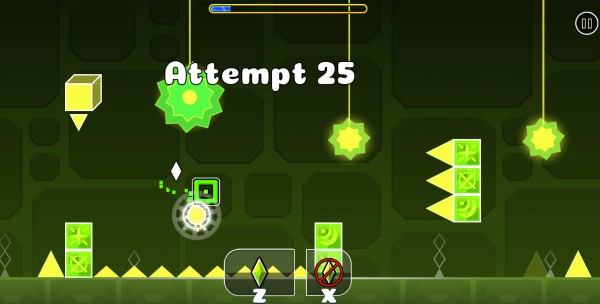
Figure 2. A game environment filled with vibrant, lively neon visuals
Obstacles and Gameplay Mechanics
Spikes
Spikes are among the main hazards in the level, requiring players to judge the distance between obstacles and time each jump carefully to avoid restarting the attempt. As their arrangements become more demanding, players must adapt to narrow gaps, consecutive spikes, and sequences that leave little room for error, making accurate timing and an awareness of the upcoming path essential for progressing through the course.
Blocks, Pillars, and Platforms
Blocks, pillars, and floating platforms form the main structure of the course, creating different heights, gaps, and landing areas that challenge players to control each jump precisely. Some obstacles require the icon to clear raised surfaces, while others demand careful adjustments to avoid landing too early or overshooting a narrow platform, so anticipating the distance and height of the next structure becomes increasingly important as the level progresses.
Yellow Jump Rings
Yellow jump rings introduce an additional movement mechanic by allowing players to trigger an upward boost while the icon is airborne, making it possible to cross wider gaps or reach elevated areas that would otherwise be difficult to access with a standard jump. Activating a ring at the right moment is essential because mistimed inputs can disrupt the intended trajectory, particularly when the mechanic appears alongside nearby spikes or other obstacles that require precise coordination.
Jump Pads
Jump pads automatically propel the icon upward upon contact, creating opportunities to clear gaps, reach higher platforms, and follow routes that may lead toward collectible coins. Although these objects do not require a separate input to activate, players must still anticipate the resulting movement and prepare for the next obstacle, as the height and timing of the jump can determine whether the icon lands safely or collides with a hazard along the way.
The Ship Portal
The ship portal transforms the icon into a flying vehicle, replacing standard jumping mechanics with continuous vertical movement controlled by holding and releasing the assigned input. Holding the button makes the ship ascend, while releasing it allows the vehicle to descend, requiring players to make small, carefully timed adjustments when navigating narrow corridors and suspended obstacles, where excessive upward or downward movement can quickly lead to a collision.
Gravity Changes
Gravity related mechanics add variety to the course by changing the direction in which the icon moves or falls, requiring players to adjust their timing and approach familiar obstacles from a different perspective. Gravity pads and portals can alter movement within specific sections, so recognizing when a change occurs and adapting to the new direction of travel are essential for maintaining control, avoiding hazards, and continuing through the level without interrupting progress.
Game Controls and Supported Devices
PC Controls
On PC, players use the mouse or another supported input method to control the icon, depending on the active game mode. In standard platforming sections, clicking or pressing the assigned button makes the icon jump, while holding the input during ship mode controls upward movement. Releasing the input allows the ship to descend, so players must adjust the duration of each action to avoid obstacles and stay within narrow passages.
Mobile Controls
On compatible mobile devices, touchscreen inputs provide the main method of controlling movement. Tapping makes the icon jump during standard platforming sections, while holding and releasing the screen controls ascent and descent in ship mode. Since the timing of each action directly affects movement, players need to coordinate their taps with the obstacle layout and adapt when the gameplay changes.
Key Features and Highlights
Polargeist combines accessible controls with mechanics that gradually introduce more demanding challenges. Its main highlights include:
- Rhythm Based Platforming: Music and movement work together to establish the pace of the course and support precise timing.
- Increasing Difficulty: The level builds on basic jumping skills through more demanding obstacle arrangements and movement sequences.
- Interactive Jump Rings: These objects add another layer of control, allowing players to gain extra height when activated at the right moment.
- Ship Gameplay: A flying section introduces a different control style that requires smooth and carefully managed inputs.
- Collectible Coins: Optional rewards encourage players to explore alternative movements and demonstrate greater control over the level.
- Distinctive Visual Design: Bright colors, geometric structures, and glowing outlines create the recognizable arcade presentation associated with the series.
Frequently Asked Questions
What is Polargeist in Geometry Dash?
Polargeist is an official early level in Geometry Dash that develops the basic platforming skills introduced in the opening stages while adding new mechanics and more demanding obstacle sequences.
How do yellow jump rings work?
Yellow jump rings provide an upward boost when activated during a jump. Correct timing allows players to cross wider gaps or reach positions that are difficult to access through a standard jump.
What happens when the ship portal appears?
The portal changes the icon into a ship, switching the gameplay from standard jumping to flight control. Holding the input moves the ship upward, while releasing it allows the ship to descend.
Can players collect secret coins?
Yes. The level includes collectible coins that provide optional objectives beyond reaching the finish. Finding them may require more precise movement and careful attention to the available route.
Is Polargeist suitable for beginners?
The level is accessible to players who are learning the basic controls, although its increased difficulty and additional mechanics require more practice than the earliest stages.
Discover Polargeist
Polargeist builds on the foundations of rhythm based platforming by combining precise jumps, interactive objects, a flying section, and collectible rewards. Its progression helps players strengthen their timing and movement control while introducing mechanics that add variety to the familiar obstacle avoidance formula.
Explore the level, learn how each mechanic works, and aim to reach the finish while collecting the available coins. For players looking to continue their journey, other Geometry Dash levels offer further opportunities to develop their skills and take on new challenges.