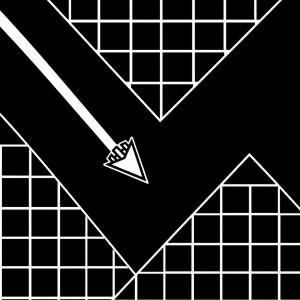
Geometry Arrow
 Stickman Kombat 2D
 Geometry Black Ball
 Melon Sandbox
 Hole Io
 Paper Minecraft
 Endacopia
 Geometry Dash 3D
 Geometry Dash Lite
 On On Dash
 Geometry Dash Wave
 No Broke Dash
 Geometry Dash Meltdown 3D
 Geometry Dash Slow
 Another Drink Dash
 Geometry Dash Onward
 Victory Lap Dash
 Geometry Dash Grief
 Geometry Dash Polargeist
 I Just Might Dash
 Geometry Dash Wave Challenge
 Geometry Dash Press Start
 Geometry Dash Demons
 Gaminia
 Infrunami
 Geometry Dash Retray
 Geometry Dash Tidal Wave
 Geometry Dash Switch
 Geometry Vibes 3D
 Geometry Dash Hairless Adventure
 Geometry Dash Suponho
 Geometry Dash Daily Level: Dream World
 Geometry Dash World
 Geometry Jump
 Geometry Jump 2
 Geometry Dash Breeze 3D
 Geometry Dash Bloodbath
 Geometry Dash Spam 3D
 Geometry Dash Subzero 3D
 Geometry Arrow 3D
 Crazy Roll 3D
 Geometry Dash Lite 3D
 Geometry Dash Happy Halloween
 Geometry Dash Scratch
 Geometry Dash Subzero
 Geometry Dash Spam
 Geometry Dash Meltdown
 Geometry Dash Breeze
 Geometry Vibes
 Geometry Dash Deadlocked
 Count Masters
 Talking Tom Gold Run
 Subway Surfers
Welcome to Geometry Arrow
Welcome to Geometry Arrow, a fast and demanding wave platformer in which a single arrow travels through a treacherous cave toward a portal waiting at the end of every course, inspired by the precise movement that players associate with Geometry Dash. Your only task is to decide when the arrow should climb and when it should fall, and that sounds easy until the corridor narrows and spikes press in from both sides, so that every second you hold the input and every moment you let go starts to matter. The controls never change from one stage to the next, yet the decisions behind them become sharper with each map, and reaching the portal after a long run feels truly earned.

Figure 1. An arrow passing through narrow slits
Core Gameplay: Simple Inputs, Precise Execution
The gameplay loop of Geometry Arrow rests on a close relationship between your input and the layout of the course, because the arrow moves forward on its own in a zigzag pattern while you decide whether it rises or falls, and the spikes, walls, and narrow gaps ahead determine how much room you have to make that decision. Since a single collision ends the run, you learn through repeated attempts, noticing where a tight section begins, how long a hold should last, and where a short tap keeps you safer, until scattered reactions slowly become patterns you recognize. As you move through the six maps, those passages ask for more accuracy and forgive fewer mistakes.
Controls
- Hold the mouse button or click: the arrow moves upward.
- Release the input: the arrow moves downward.
- Touch controls: the same idea of holding and releasing on supported mobile devices.
The Six Maps of Geometry Arrow
Map 1: Learning the Rhythm
The first map is where you discover how the arrow actually behaves, and the cave setting together with the portal waiting at the end gives you a clear goal while the first spikes and walls show why a careless input ends a run. Instead of rushing, focus on the basic cycle of holding to climb and releasing to fall, paying attention to how far the arrow travels in each direction and trying to keep your movement even rather than tapping nervously. This stage is welcoming without being effortless, and it builds the muscle memory that every later map depends on.
Map 2: Finding a Steady Flow
By the second map, simply surviving is no longer enough, because the real goal becomes consistency, and although the obstacles still appear as spikes and walls, you should begin looking a little further ahead instead of reacting at the last second. Watching where the next gap will be before the arrow reaches it allows you to start your hold or release early enough to line up smoothly, and a calm, repeatable rhythm will serve you far better than sudden corrections. This map teaches anticipation, which is the habit of reading the course in advance, and it prepares you for passages where late reactions are punished.
Map 3: Precision Under Pressure
On the third map the margin for error shrinks, since narrower passages and tighter obstacle arrangements demand accurate timing, and a hold that lasts only slightly too long can now end the run. The skill that matters most here is control, which means using shorter and more deliberate inputs when the space is tight instead of large sweeping ones. When a section keeps defeating you, slow your thinking down and work out exactly which release is happening too late. Many players realize on this map that the controls have not changed but their precision must, and that makes it a clear step up from the steady flow of Map 2.
Map 4: The Turning Point
Map 4 is where the journey begins to feel serious, because obstacles can follow one another more quickly and the safe space between hazards leaves less room to recover from a wobble, so composure becomes your most valuable tool. When one correction starts to chain into another, resist the urge to overcorrect and return to small, controlled inputs that trust the rhythm you built earlier, while memorizing where the tightest sequences begin so you can prepare before they arrive. This stage rewards players who treat every failed attempt as useful information, and it separates simple familiarity with the map from real control over the arrow.
Map 5: Testing the Limits
The fifth map tests endurance as much as skill, because it keeps you inside the same cave world of spikes, walls, and narrow routes while asking you to stay focused for longer without a single lapse, and one mistimed release is enough to end the run no matter how well the earlier part went. Repeated attempts are your best teacher here, since you begin to recognize recurring shapes and know in advance how to answer them, which means no special tricks are needed, only patience, pattern recognition, and the steady hands that Map 4 started to build.
Map 6: The Ultimate Test
The final map brings every earlier lesson together, from the basic rhythm of Map 1 and the anticipation of Map 2 to the precision of Map 3, the composure of Map 4, and the stamina of Map 5, and you should expect its demanding passages to ask for all of these skills at once with very little room to improvise. Read the path ahead, keep your inputs short and deliberate, and do not let a single near miss shake your timing, because when the arrow finally slips through the last gap and reaches the portal, you are no longer the player who nervously began on Map 1.
Video Games
The Design Philosophy Behind the Challenge
Geometry Arrow works because it keeps its control vocabulary tiny and lets the obstacles do the talking, since the arrow has only two states, rising and falling, which means you always understand exactly what your input does and the difficulty can sit where it belongs, in reading the path and timing your decisions. The geometric hazards stay readable, the cave setting stays consistent, and each of the six maps raises the demand on accuracy instead of changing the rules, so the game never feels like it is hiding anything from you. From the player’s point of view this creates a satisfying learning curve, because every failure points to something specific you can fix and every improvement shows up on the very next attempt.
Tips for Mastering All Six Maps
- Learn the rhythm of holding and releasing first. Spend your early attempts getting comfortable with how far the arrow climbs and falls, so that the harder sections feel like extensions of something you already understand.
- Look at the safe path ahead. Watching the gap that is coming works better than staring at the arrow itself, because it gives you time to begin your input before the obstacle is close.
- Learn the patterns through repetition. Each attempt reveals recurring obstacle arrangements, so use them to remember where you need to hold longer and where a quick release is safer.
- Use short and controlled inputs in tight spaces. Small adjustments are far safer than large ones when the corridor narrows, especially on the later maps where there is little room to recover.
- Stay calm after a crash. Instead of restarting in frustration, identify the exact timing that caused the collision, adjust it, and go again with a clearer plan.
Frequently Asked Questions
What is Geometry Arrow?
Geometry Arrow is a fast wave platformer in which you guide an automatically moving arrow through a cave full of spikes and walls until you reach the portal at the end of each map.
How many maps are available?
There are six maps, and the challenge grows from the first to the last as the passages demand more precision.
How do the controls work?
You hold the mouse button or click to make the arrow rise and release it to let the arrow descend, and supported mobile versions follow the same idea with touch.
How can players overcome difficult maps?
Learn the rhythm on the early maps, watch the path ahead, recognize repeating patterns, use short inputs in narrow spaces, and stay calm after each failed attempt so you can fix the timing that caused it.
What makes the six map progression challenging?
The controls stay exactly the same throughout, but the passages ask for greater precision, quicker decisions, and longer concentration with every map.
Ready for the Run?
Geometry Arrow shows how much challenge can fit into a single input, because rhythm, precision, and careful reading of each passage carry you through six maps while every attempt makes you a little sharper than the last. Now it is your turn to play Geometry Arrow, learn each map at your own pace, and see whether you can guide the arrow through all six stages and reach the final portal. If you enjoy precision-based challenges and fast-paced gameplay, you can also explore Geometry Dash Wave and Geometry Vibes for more exciting experiences that test your timing, reflexes, and control.