Geometry Dash 3D
 Stickman Kombat 2D
 Geometry Black Ball
 Melon Sandbox
 Hole Io
 Paper Minecraft
 Geometry Dash Happy Halloween
 Geometry Dash Lite
 On On Dash
 Geometry Dash Wave
 No Broke Dash
 Geometry Dash Meltdown 3D
 Geometry Dash Slow
 Another Drink Dash
 Geometry Dash Onward
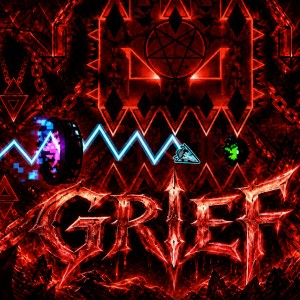 Geometry Dash Grief
 Victory Lap Dash
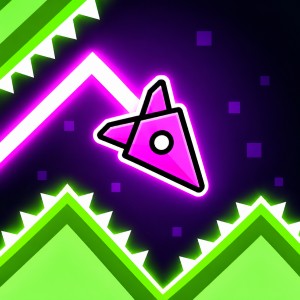 Geometry Vibes
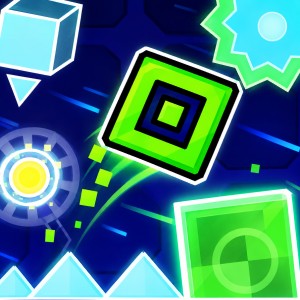 Geometry Dash Polargeist
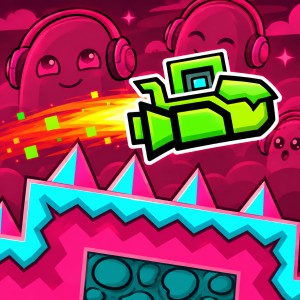 I Just Might Dash
 Geometry Dash Wave Challenge
 Geometry Dash Press Start
 Geometry Dash Demons
 Gaminia
 Infrunami
 Geometry Dash Retray
 Geometry Dash Tidal Wave
 Geometry Dash Switch
 Geometry Vibes 3D
 Geometry Dash Hairless Adventure
 Geometry Dash Suponho
 Geometry Dash Daily Level: Dream World
 Geometry Dash World
 Geometry Jump
 Geometry Jump 2
 Geometry Dash Breeze 3D
 Geometry Arrow
 Geometry Dash Bloodbath
 Geometry Dash Spam 3D
 Geometry Dash Subzero 3D
 Geometry Arrow 3D
 Crazy Roll 3D
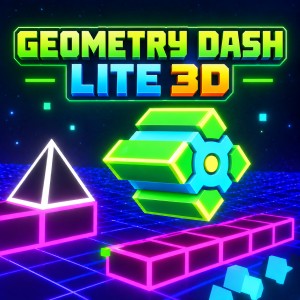 Geometry Dash Lite 3D
 Geometry Dash Scratch
 Geometry Dash Subzero
 Geometry Dash Spam
 Geometry Dash Meltdown
 Geometry Dash Breeze
 Geometry Dash Deadlocked
 Count Masters
 Talking Tom Gold Run
 Subway Surfers
 Endacopia
The Inspiration Behind Geometry Dash 3D
Carrying on the Spirit of Geometry Dash
Every engaging arcade game experience begins with a simple idea: transforming a standard challenge into a test of a player's reflexes, focus, and creativity. Geometry Dash 3D explores this concept through a geometric environment, obstacle-based gameplay, and a three dimensional perspective. By introducing depth and spatial awareness, the game offers a fresh take on the familiar thrill of navigating perilous paths and overcoming tough challenges.
The inspiration for this concept lies in the interplay between simplicity and difficulty. While geometric shapes may appear simple, arranging them into challenging courses creates an experience that demands patience and precision. Spikes, solid blocks, narrow passages, and other obstacles can turn a straightforward journey into a test of lightning-fast reflexes. Each attempt becomes an opportunity to understand the environment, refine movement, and discover a better path forward.
Turning Imagination into a 3D Challenge
The concept of moving geometric characters through a colorful world becomes even more exciting when the environment expands beyond a flat screen. In Geometry Dash 3D, the three dimensional aspect offers a unique perspective, encouraging players to pay attention to depth, distance, and obstacle placement. This shift creates opportunities for challenges that differ significantly from those found in traditional side scrolling platformers.
Imagine a geometric world where every block shapes the path, every spike creates a moment of tension, and every narrow passage demands careful movement. This context transforms simple shapes into meaningful gameplay elements. Visual design and obstacle placement work in tandem to create a journey that requires players to observe, react, and adapt.
This creative approach also highlights the potential of blending familiar arcade mechanics with a fresh presentation. Rather than relying on a complex narrative, the experience conveys its challenges through level design, movement, and visual feedback. The result is a concept that appeals to players who enjoy learning through experimentation and find satisfaction in overcoming difficult sections.
Turning Small Challenges into a Respite from Daily Life
This game also aligns with the idea of offering a brief yet engaging escape from routine. Its geometric design and obstacle-focused gameplay provide a clear objective: understand the path, avoid hazards, and progress through practice.
The appeal lies in the incremental moments of progress along the way. A jump that initially seems daunting can become easier after a few attempts. An obstacle that once halted progress can transform into an opportunity to refine timing and movement precision. These small achievements give players a reason to keep learning without the need for an elaborate storyline.
For newcomers, the experience offers a chance to get acquainted with geometric platforming gameplay. For seasoned arcade fans, the 3D perspective provides a unique way to explore precision-based challenges. Each session offers an opportunity to hone reflexes, experiment with different strategies, and enjoy the process of turning mistakes into progress.
Visual Style
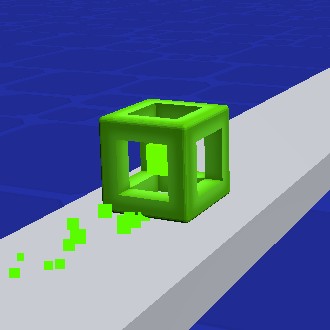
The most noticeable difference is the use of a three-dimensional environment. Geometric shapes create a sense of occupying actual space rather than merely resting on a flat plane, giving pathways and obstacles a more distinct sense of depth.
Blocks with sharp edges and spikes serve as easily recognizable visual warnings. Their placement is crucial when players need to gauge distances or determine a safe route. Depending on the version, colorful environments and lighting effects can help highlight the path against the surrounding landscape.
This shift in perspective also impacts the gameplay experience. In classic 2D Geometry Dash, players focus primarily on the path ahead and the timing of their jumps. In the 3D version, the perception of depth and the relative positioning of objects can provide a different feel for the same fundamental objective.
Music and sound effects are also key components of the experience, provided the version supports them. However, it is important to evaluate the background music and synchronization between the audio and obstacles before regarding them as standout features of a specific version.

Figure 1: 3D cube character in Geometry Dash 3D
Game Controls and Supported Devices
PC Controls
On computers, one input drives the whole experience, keeping the learning curve gentle and the focus on timing. You press the Spacebar, the Up Arrow, or the left mouse button to jump, and you hold the same input to ascend while piloting flying vehicles. The scheme reflects the version published on this page, so any future change will be announced through our official channels.
Mobile Controls
On phones and tablets, you tap anywhere on the screen to act, and holding your finger down produces sustained actions such as flight or continuous lift. The interface avoids on-screen clutter so your thumbs never cover the obstacles ahead, and performance has been optimized for a wide range of devices.
Notable Levels in Geometry Dash
Stereo Madness
Stereo Madness is the first level in the game and introduces players to the basics of geometric platforming. Players must jump over spikes, avoid blocks, and learn to react to obstacles at the right moment. Its straightforward layout makes it a suitable starting point for beginners.
Back on Track
Back on Track builds on the fundamentals with more varied jumps and yellow jump pads. Players must pay attention to how these pads affect their movement while navigating spikes and platforms. The level encourages beginners to develop better timing and control.
Polargeist
Polargeist introduces yellow jump orbs, allowing players to trigger additional jumps while airborne. Learning when to activate these orbs is essential for clearing obstacles and reaching higher platforms. The level adds another layer of timing to the familiar gameplay.
Dry Out
Dry Out introduces inverted gravity, changing the direction in which the character moves. Players must adapt to upside down sections and carefully time their jumps while navigating spikes and platforms. This mechanic makes the level more challenging than the earlier stages.
Base After Base
Base After Base focuses on maintaining a steady rhythm while navigating a series of geometric obstacles. Players encounter spike sequences and elevated platforms that require accurate jumps. Consistent timing becomes increasingly important as the level progresses.
Can't Let Go
Can't Let Go challenges players with more demanding jump sequences and carefully positioned obstacles. Its layout requires greater precision and concentration, particularly when navigating platforms surrounded by spikes. Beginners may need several attempts to become comfortable with its timing.
Jumper
Jumper introduces more challenging obstacle arrangements and requires players to coordinate their jumps with greater accuracy. The level combines platforms, spikes, and tighter movement sequences that reward practice and patience.
Time Machine
Time Machine introduces mirror portals that reverse the direction of the screen, creating a different visual perspective during gameplay. Players must adjust to the changed presentation while navigating spike sequences and other hazards. Its triple-spike arrangements also demand careful timing.
Cycles
Cycles introduces the ball game mode, which changes how the character moves and interacts with gravity. Instead of relying exclusively on ordinary jumps, players must learn when to switch gravity to navigate the course. This new mechanic adds variety and requires players to adapt their approach.
xStep
xStep raises the difficulty with more complex obstacle patterns and introduces blue jump pads and blue jump orbs. These mechanics affect gravity and movement, requiring players to understand when and how to activate them. With tighter sequences and more demanding timing, xStep provides a challenging milestone for players progressing through the early levels.
Each level introduces different obstacles or mechanics that help players develop their skills. From the basic jumps of Stereo Madness to the gravity-based challenges of xStep, the progression demonstrates how Geometry Dash combines simple controls with increasingly demanding gameplay. If you would like to see more detailed 3D Geometry Dash levels, you can check out the video below. To discover more arcade games and exciting gaming experiences, visit https://geometrydashlevels.com and find your next favorite game!
Frequently Asked Questions
How Do I Play Geometry Dash 3D?
You time a single input, either a click, a key press, or a tap, so that Cubix jumps or flies at the right moment, and you repeat this until the final beat of each level.
What Are the Coins For?
Each level hides three Pulse Coins, and collecting them unlocks cosmetic rewards and bonus tracks, although they are optional for finishing the campaign.
How Is It Different from the 2D Game?
The 3D edition uses a moving camera, curved tracks, and rotating gravity sections, and it adds a story, named characters, and collectibles while keeping the same one input control style.
Which Devices Are Supported?
The game runs on Official Platforms and it was built to perform smoothly on both desktop and mobile devices.
Do I Need Headphones?
They are not required, but we recommend them because the soundtrack is closely tied to the timing of each challenge.