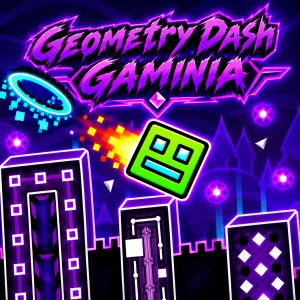
Gaminia
 Stickman Kombat 2D
 Geometry Black Ball
 Melon Sandbox
 Hole Io
 Paper Minecraft
 Geometry Dash Happy Halloween
 Geometry Dash 3D
 Geometry Dash Lite
 On On Dash
 Geometry Dash Wave
 No Broke Dash
 Geometry Dash Meltdown 3D
 Geometry Dash Slow
 Another Drink Dash
 Geometry Dash Onward
 Geometry Dash Grief
 Victory Lap Dash
 Geometry Dash Polargeist
 I Just Might Dash
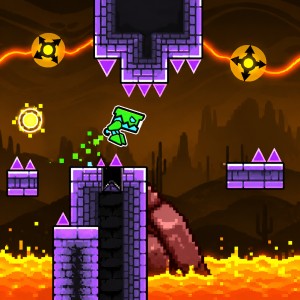 Geometry Dash Press Start
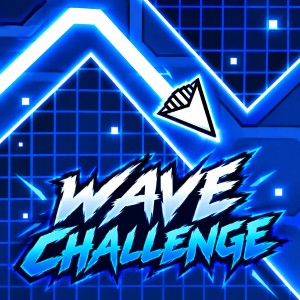 Geometry Dash Wave Challenge
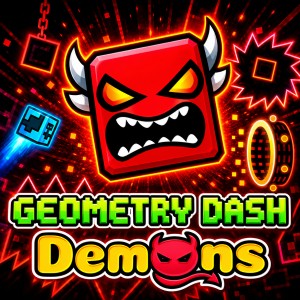 Geometry Dash Demons
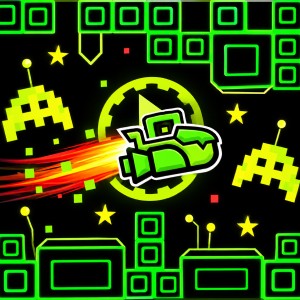 Geometry Dash Retray
 Infrunami
 Geometry Dash Tidal Wave
 Geometry Dash Switch
 Geometry Vibes 3D
 Geometry Dash Hairless Adventure
 Geometry Dash Suponho
 Geometry Dash Daily Level: Dream World
 Geometry Dash World
 Geometry Jump
 Geometry Jump 2
 Geometry Dash Breeze 3D
 Geometry Arrow
 Geometry Dash Bloodbath
 Geometry Dash Spam 3D
 Geometry Dash Subzero 3D
 Geometry Arrow 3D
 Crazy Roll 3D
 Geometry Dash Lite 3D
 Geometry Dash Scratch
 Geometry Dash Subzero
 Geometry Dash Spam
 Geometry Dash Meltdown
 Geometry Dash Breeze
 Geometry Vibes
 Geometry Dash Deadlocked
 Count Masters
 Talking Tom Gold Run
 Subway Surfers
 Endacopia
The Idea Behind Gaminia
Gaminia is an arcade platformer inspired by the excitement of rhythm based games like Geometry Dash, where precise timing, quick reflexes, and persistence turn simple movements into challenging and rewarding experiences. The original concept revolves around the idea that even the smallest action can make a difference when players must navigate a series of obstacles that demand concentration and accuracy, creating a gameplay loop that feels easy to understand but increasingly satisfying to master. Rather than relying on complicated mechanics or lengthy explanations, the game focuses on the thrill of overcoming difficult sections, learning from repeated attempts, and gradually improving through practice, while its futuristic atmosphere and electronic energy give the experience a distinctive identity beyond traditional obstacle courses.

Figure 1. The blue square character in Gaminia
The Story of a Broken Digital World
The adventure takes place in a futuristic city where music, technology, and digital energy work together to keep an interconnected world alive, with neon streets glowing beneath towering structures and luminous pathways pulsing in time with the city's central power source, known as the Rhythm Core. Everything changes when this mysterious core begins to malfunction, scattering its energy fragments across different districts and causing the digital landscape to fall into chaos, as once stable roads break apart, platforms become unpredictable, and dangerous obstacles emerge along the routes connecting the city.
Amid the confusion, a small geometric runner awakens during the final pulse of the failing core and discovers that the remaining traces of energy may hold the key to restoring the world. Guided by these faint signals, the runner begins a journey through abandoned digital highways, glowing tunnels, and unstable platforms, traveling deeper into the city to recover the missing fragments while avoiding the hazards created by the spreading disruption. Each district presents a different test of timing and concentration, requiring the runner to overcome spikes, gaps, moving barriers, and increasingly complex obstacle patterns before reaching the next destination.
As more fragments are collected, the surrounding environment gradually regains its light, revealing new pathways and bringing the runner closer to the source of the disaster, although the journey becomes more demanding as the remaining sections grow increasingly unstable. What begins as a desperate attempt to survive eventually develops into a mission to restore the Rhythm Core and reconnect the city through the power of rhythm, movement, and determination, giving every completed stage a purpose within the larger adventure.
Gameplay and Core Mechanics
At the heart of the experience is fast paced platforming that challenges players to guide the geometric runner through dangerous environments using well timed jumps and quick reactions, with every section introducing obstacles that require careful observation rather than random button presses. Gaps, spikes, barriers, and changing pathways can interrupt progress in an instant, making it essential to pay attention to the terrain ahead and recognize when to act, especially as the distance between hazards becomes shorter and the pace of the level grows more demanding. Although the basic mechanics remain straightforward, mastering the later sections requires patience, consistency, and a good understanding of how each obstacle pattern unfolds.
This emphasis on precision also connects directly to the story of the collapsing digital world, as the increasingly unstable routes reflect the damage spreading throughout the city while the runner's progress represents another step toward recovering its lost energy. A failed attempt may send players back to the beginning of a section, but repeated runs provide valuable opportunities to recognize mistakes, memorize difficult sequences, and adjust jump timing until the movements become more natural. Instead of making success depend on complicated combinations, the game rewards players who remain focused and learn from experience, creating a balance between accessibility and difficulty that encourages them to keep improving without losing sight of the ultimate objective.
Neon Visuals, Electronic Music, and Urban Style
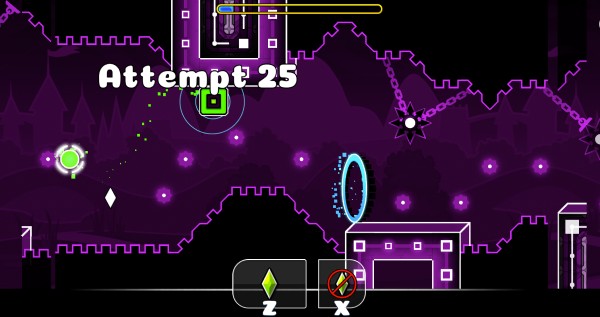
Figure 2. Game style and color palette
Neon Colors and Geometric Design
Electric blue, vivid purple, and glowing neon accents contrast with dark backgrounds, creating a vibrant arcade aesthetic that immediately catches the eye. Geometric shapes, sharp obstacles, and luminous platforms give the game a distinctive visual identity while keeping the action clear and easy to follow.
Futuristic Streets and Digital Environments
Inspired by neon lit streets and futuristic architecture, the environments feature digital grids, glowing pathways, and towering structures that bring the city to life. Broken platforms and unstable routes reflect the damage caused by the failing Rhythm Core, making each stage feel like another part of the journey through a collapsing digital world.
Electronic Music and Rhythm
Energetic electronic music complements the fast paced gameplay, creating an atmosphere where sound and movement work together. Rhythmic beats enhance the excitement of each level, while carefully timed jumps encourage players to stay focused and anticipate upcoming obstacles as the challenge increases.
Visual Atmosphere and Progression
Dark environments and damaged structures represent the city's decline, while brighter lights and restored pathways symbolize the recovery of lost energy. These visual changes connect the player's progress to the storyline, making each completed stage feel like another step toward restoring the Rhythm Core and bringing the digital city back to life.
Why We Created Gaminia
The concept was developed around the appeal of arcade games that are simple to begin but difficult to master, particularly experiences in which a single well timed action can determine whether a player succeeds or has to try again. Rhythm based platformers demonstrate how basic mechanics can become deeply engaging when obstacles are carefully arranged and movement follows a consistent pace, so the creative direction behind this project combines that familiar challenge with a fictional world that gives each stage a broader purpose. Instead of treating every level as an unrelated sequence of jumps, the intention is to connect the player's progress to the recovery of a broken digital city, allowing gameplay, visual design, and storytelling to reinforce one another.
Persistence is central to this idea because failure can be an important part of learning rather than simply an obstacle to enjoyment, especially when players begin to recognize patterns and understand why a particular jump did not work. Each retry provides another chance to improve timing, develop better reactions, and approach a difficult section with a clearer strategy, while the larger narrative offers a reason to continue exploring the world and restoring its lost rhythm. Through accessible controls, challenging obstacle courses, electronic energy, and a futuristic setting, the game aims to create an experience that rewards determination and makes every small improvement feel like meaningful progress.
How to Play
The controls are designed to keep the focus on movement and timing, allowing players to concentrate on avoiding hazards instead of learning complicated button combinations, although the exact inputs may vary depending on the version and platform. Whether playing on a computer or a mobile device, the main objective remains the same: guide the runner through each stage, react to incoming obstacles, and reach the finish by choosing the right moment to jump.
PC Controls
On a computer, players can use the Spacebar or Up Arrow to jump when these inputs are supported, while the Left Mouse Button may provide an alternative way to perform the same action in versions that include mouse controls. The key is to observe the path ahead and time each input carefully, particularly when gaps and spikes appear close together, because reacting too early or waiting too long can interrupt an otherwise successful run. If a collision occurs, players can use the in-game restart option to begin another attempt, applying what they have learned to handle the same section more effectively.
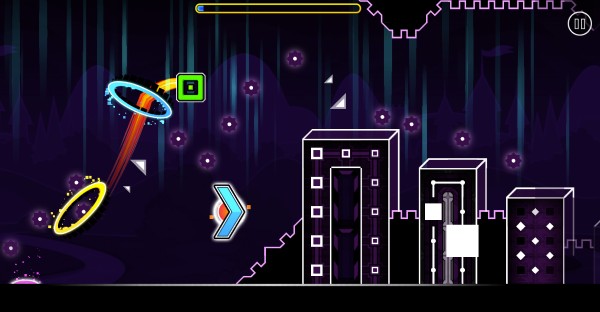
Figure 3. Gaminia game on desktop
Mobile Controls
On mobile devices, jumping can be performed by tapping the screen when the runner approaches a gap or another obstacle, provided that touch input is supported by the version being played. Quick, deliberate taps can help players maintain better control during sections that require individual jumps, while watching the approaching terrain makes it easier to anticipate hazards before they arrive. After a failed attempt, the on-screen restart option, if available, allows players to return to the level and practice difficult sections again, gradually developing the timing and confidence needed to progress.
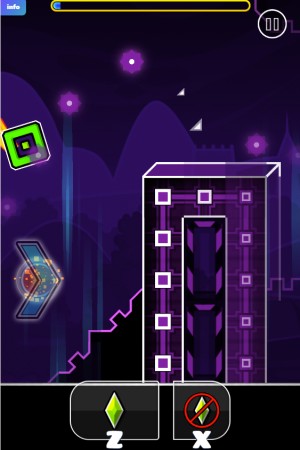
Figure 4. Gaminia game on mobile
Tips for Mastering Difficult Levels
Improving performance requires a combination of patience, observation, and consistent timing, as rushing through unfamiliar sections can make even simple obstacles more difficult to handle. Players should pay attention to the spacing between hazards, look for recurring patterns, and learn how the level develops before committing to a jump, particularly when several obstacles appear in quick succession. Rather than reacting to every hazard at the last possible moment, anticipating the next movement can make the experience feel more controlled and reduce mistakes caused by unnecessary panic.
When an attempt ends, reviewing the moment of failure can help reveal whether the jump was too early, too late, or poorly timed in relation to the following obstacle, giving players a practical way to improve during the next run. Repeated practice gradually builds familiarity with the level layout, allowing difficult sequences to become easier to recognize and handle, while remaining calm helps maintain accuracy as the pace increases. Over time, these small adjustments can lead to more consistent runs and make challenging sections feel less intimidating, reinforcing the central idea that progress comes from learning and adapting rather than succeeding on the first try.
Restore the Rhythm, One Jump at a Time
The journey through this digital world brings together everything that defines the concept, from the neon city and electronic atmosphere to the geometric runner and obstacle courses that demand precise timing. Each recovered energy fragment represents another step toward repairing the Rhythm Core, while every completed stage reflects the player's growing ability to understand the environment and overcome its challenges, creating a connection between individual gameplay achievements and the larger story of a world struggling to regain its balance.
For players who enjoy rhythm-inspired platformers, fast-paced arcade challenges, and futuristic environments, the experience offers an opportunity to test their reflexes while gradually discovering the patterns that make each level unique. The road ahead may be filled with difficult jumps and repeated setbacks, but every attempt brings a new chance to improve, move farther through the city, and restore the rhythm that once connected the entire world.
See more: