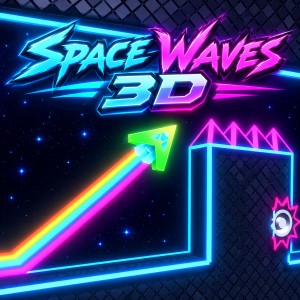
Space Waves 3D
 Curve Rush 2
 Stone Skimming
 Find The Needle
 Tap Road
 Slope 3
 Space Waves
 Geometry Dash Lite
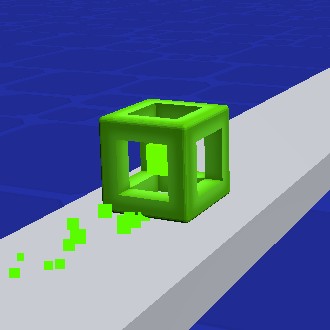 Geometry Dash 3D
 Geometry Dash Slow
 Geometry Dash Grief
 No Broke Dash
 Another Drink Dash
 Geometry Dash Wave
 I Just Might Dash
 Geometry Dash Demons
 Geometry Dash Meltdown 3D
 Geometry Dash Wave Challenge
 Gaminia
 Geometry Dash Onward
 Geometry Dash Press Start
 Geometry Dash Suponho
 On On Dash
 Victory Lap Dash
 Geometry Vibes 3D
 Geometry Dash Retray
 Geometry Dash Switch
 Geometry Dash World
 Geometry Dash Tidal Wave
 Geometry Dash Hairless Adventure
 Infrunami
 Geometry Dash Daily Level: Dream World
 Geometry Dash Polargeist
 Geometry Jump
 Geometry Jump 2
 Geometry Dash Wave 3D
 Gravity Run
 Geometry Arrow
 Challenge Rush
 Geometry Dash Breeze 3D
 Geometry Dash Bloodbath
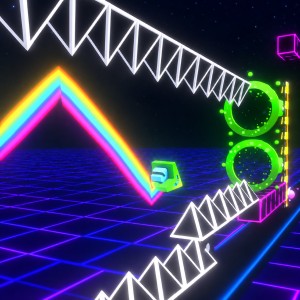 Geometry Dash Spam 3D
 Geometry Arrow 3D
 Geometry Dash Subzero 3D
 Crazy Roll 3D
 Geometry Dash Lite 3D
 Geometry Dash Happy Halloween
 Geometry Black Ball
 Geometry Dash Breeze
 Geometry Vibes
 Geometry Dash Subzero
 Geometry Dash Scratch
 Geometry Dash Spam
 Bowmasters
 Geometry Dash Meltdown
 Geometry Dash Deadlocked
 Rodeo Stampede
 Iron Legion
 Count Masters
 Talking Tom Gold Run
 Subway Surfers
 Melon Sandbox
 Endacopia
 Hole Io
 Paper Minecraft
 Stickman Kombat 2D
Concept and Inspiration
Every wave begins as a quiet idea, a rise and a fall repeated so smoothly that the eye learns to read it before the mind has time to name it. A tide pulling against a harbor wall, a pendulum swinging through a dim room, and a line trembling across a measuring screen all share the same simple rhythm, and that rhythm is the heartbeat of Space Waves 3D, the game we developed for geometrydashlevels.com.
We wanted to take that gentle motion and set it loose in a place where nothing is gentle at all. Our glowing neon craft carves a diagonal path through a dark space tunnel, climbing when you hold and sliding when you let go, so that every route becomes a zigzag drawn in light. Around that path we placed narrow passages, sharp spikes and rotating blocks, and we gave the whole scene a three dimensional depth so that each tunnel feels like a place you are truly flying through rather than a flat strip you are watching from outside.
The idea behind the design is that a single input can still hold a surprising amount of skill, because the moment you decide to climb or fall is the only thing that matters, and the rest of the experience is learning how to make that decision at exactly the right time.

Figure 1. The Wave 3D character in Space Waves 3D
Story
Far beyond the last charted star there lies a drifting reef of black rock and cold glass that travelers call the Hollow Tide. Long ago the reef was alive with sound, because a great choir of luminous creatures known as the Starwhales drifted through it and sang the shipping lanes into being, and every note they sang became a glowing road that guided lost vessels home. Then one night the choir fell silent, the roads went dark, and the reef closed over the empty lanes like a mouth that had forgotten how to speak.
Only a single note survived. It took the shape of a small neon craft, and the few who still tell the story call it Echo. Echo is no larger than a heartbeat and no stronger than a candle, yet it carries the last fragment of the choir's song, and it has been given one task, which is to reach the Beacon at the far end of the reef and wake the lanes again.
The journey is not an easy one, because the reef has grown teeth in the silence. Walls lean inward where the old roads used to run wide, spikes rise from the stone like frozen splinters, and heavy blocks turn slowly in the dark as if the reef itself were counting the seconds until Echo makes a mistake. Even so, every time the little craft fails and fades, the song inside it grows a little steadier, and each new attempt begins with a clearer memory of where the passage narrows and where the stone gives way. If Echo ever reaches the Beacon, the whole Hollow Tide may begin to sing again.
Gameplay
Your neon spacecraft moves forward by itself through a three dimensional tunnel that twists, tightens and opens again as the run unfolds, and your only job is to decide when it rises and when it falls. Holding your input sends the craft climbing along a diagonal line, while releasing it lets the craft slide downward, so the path you draw is always a sequence of sharp zigzags between the boundaries. Touching a wall, a spike or a rotating block ends the attempt, and the aim is to travel as far as you can and improve your best run each time you try again.
Steering the Neon Craft
The most important habit in Space Waves 3D is to think a little ahead of the craft, because it can only rise while you hold and can only fall when you release. When the tunnel bends upward in front of you, it helps to begin your climb earlier than feels natural so that you meet the turn with height to spare, and when a gap narrows, a short and precise touch often works better than a long hold. The length of each input decides how steep your path becomes, which is why smooth and well judged changes between holding and releasing matter more than speed alone.
The Opening Run and Sharp Turns
The first section of the run keeps a moderate pace, which gives you a calm moment to get used to how the craft responds to your input. Even in this gentler stretch you will meet tight three dimensional curves that ask you to control the length of each hold, and handling them cleanly builds the rhythm and the reflexes you will need once the run begins to accelerate.
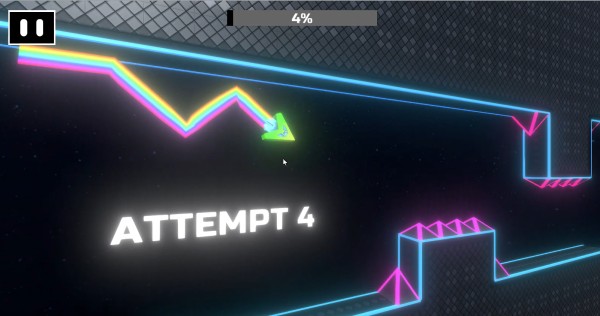
Figure 2. The initial stage of a game level
Speed Bursts and Narrow Tunnels
Soon after the opening, the pace surges and the three dimensional perspective becomes far more dramatic, with obstacles arranged more closely and the walls of the tunnel drawing in around the craft. In these narrow passages you have to keep a steady flight path through very little space, and knowing exactly when to release or hold decides whether you keep flying or crash into the canyon walls. The game raises the pressure through speed instead of through unfair traps, so a failed attempt almost always feels like something you can fix on the next try.
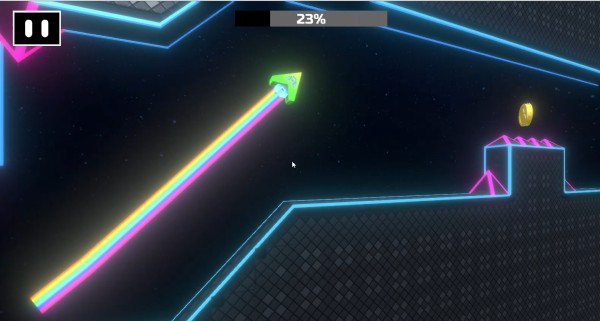
Figure 3. Crossing the narrow path and collecting coins.
Rotating Blocks and Directional Arrows
After a narrow tunnel you may meet a series of rotating blocks that turn continuously across the route, and they can look harmless for a moment before an edge sweeps into your path. Directional arrows help you read the safe line through that danger zone, so the best approach is to align your flight with the arrows, watch the motion of each block, and commit to your climb or slide only when the gap is truly open.
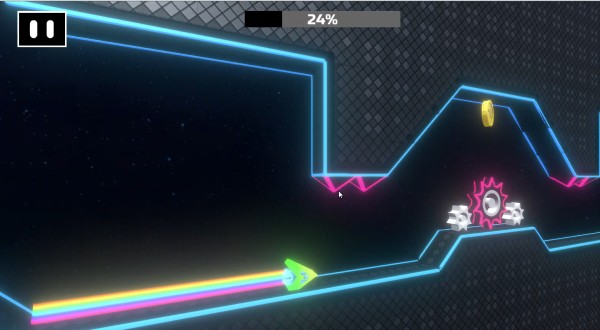
Figure 4. Facing the rotating spiked blocks
Finishing and Trying Again
When your craft touches a wall, a spike or a block, the attempt ends and you can begin again right away, which turns every failure into a quick lesson about where the next turn was hiding. The challenge grows through increasing speed, a depth of view that demands accurate spatial judgment, and the need for precision in every single input, and that is what makes the game feel like a balance between a relaxed reflex game and a demanding test of focus.
Visual Style
Our tunnels use deep space backgrounds in rich blues, purples and pinks, and against those colors the craft glows brightly while walls, spikes and blocks stand out in clean luminous shapes. The three dimensional perspective gives each passage a sense of depth and speed, yet the shapes stay simple and readable, which keeps your attention on the path ahead rather than on decoration. A soft glow follows the craft as it moves, and that glow makes every climb and every slide feel like a line being drawn in real time.
Clarity matters in a game where the next turn arrives quickly, and that is why we kept the hazards sharp, bright and clearly separated from the background. When you can see exactly where the danger begins and where the safe channel ends, a failed attempt feels fair, and the urge to try again comes naturally.
Standout Features
Space Waves 3D belongs to a familiar family of arcade games that reward precise timing with a single input, in the spirit of rhythm platformers where one tap decides everything. What sets our version apart is the way it asks you to control height continuously along a diagonal path while a three dimensional tunnel rushes toward you, which gives each run the feel of a puzzle you solve with your reflexes instead of with a map. The comparison is about how the games play, not about where our concept came from.
You climb and descend through narrow tunnels, avoid walls, spikes and rotating blocks, and learn each stretch through repeated attempts that start instantly. A moderate opening, a sudden burst of speed and tight passages that demand perfect timing keep every run fresh, and the single input means anyone can start playing in seconds.If you enjoy steering a glowing line through narrow passages, you can also try Geometry Dash Wave 3D for another three dimensional wave challenge, or play Space Waves for a different dramatic journey through space.
Controls
PC
Once your neon spacecraft enters the tunnel, it flies forward on its own, so the only thing left in your hands is the direction of each zigzag. Press and hold the left mouse button to steer the craft upward along a diagonal line, and let go of the button the moment you want it to slide back down. Because the walls of the tunnel can narrow without warning, it helps to think of every press and release as a small decision about height rather than a simple jump, and the more smoothly you alternate between the two, the more steadily the craft will travel through tight curves and rotating blocks.
Mobile Touchscreen
On a phone or tablet, the game works in the same way with a single finger. Touch and hold anywhere on the screen to send the spacecraft climbing, and lift your finger to let it descend through the safe opening ahead. Keep your thumb relaxed and ready, since the length of each touch decides how steep your path becomes, and short, precise touches usually work better than long holds when the tunnel grows narrow or the turns arrive close together.