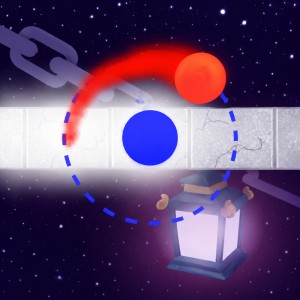
A Dance of Fire and Ice
 Trap The Cat
 Curve Rush 2
 Stone Skimming
 Find The Needle
 Tap Road
 Space Waves 3D
 Geometry Dash Lite
 Geometry Dash 3D
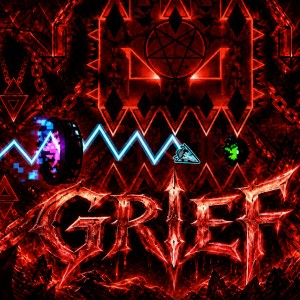 Geometry Dash Grief
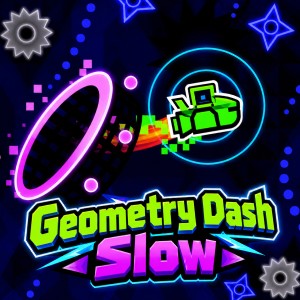 Geometry Dash Slow
 No Broke Dash
 Geometry Dash Wave
 Geometry Dash Demons
 Geometry Dash Meltdown 3D
 Another Drink Dash
 Geometry Dash Wave Challenge
 I Just Might Dash
 Geometry Dash Retray
 Geometry Dash Hairless Adventure
 Geometry Dash Press Start
 Geometry Dash Suponho
 Geometry Dash Switch
 On On Dash
 Gaminia
 Victory Lap Dash
 Infrunami
 Geometry Dash Onward
 Geometry Dash Daily Level: Dream World
 Geometry Jump 2
 Geometry Vibes 3D
 Geometry Dash Polargeist
 Geometry Jump
 Geometry Dash World
 Geometry Dash Wave 3D
 Gravity Run
 Geometry Arrow
 Challenge Rush
 Geometry Dash Bloodbath
 Geometry Dash Breeze 3D
 Space Waves
 Slope 3
 Geometry Dash Spam 3D
 Geometry Arrow 3D
 Geometry Dash Subzero 3D
 Crazy Roll 3D
 Geometry Dash Lite 3D
 Geometry Dash Happy Halloween
 Geometry Black Ball
 Geometry Dash Tidal Wave
 Geometry Dash Breeze
 Geometry Vibes
 Geometry Dash Subzero
 Geometry Dash Scratch
 Geometry Dash Spam
 Bowmasters
 Geometry Dash Meltdown
 Geometry Dash Deadlocked
 Rodeo Stampede
 Iron Legion
 Count Masters
 Talking Tom Gold Run
 Hole Io
 Subway Surfers
 Melon Sandbox
 Paper Minecraft
 Endacopia
 Stickman Kombat 2D
Main Objectives in A Dance of Fire and Ice
A Dance of Fire and Ice is a rhythm-based game that tests your concentration, timing, and ability to recognize musical patterns. Instead of controlling a character through traditional platform obstacles, you guide two planets connected by a continuous orbit along a winding geometric path. Your main objective is to keep their movement synchronized with the music and reach the final tile without making a mistake. Understanding how the planets move and how each track is arranged will help you handle increasingly complicated sequences.

Figure 1. Controlling two planets orbiting each other
Guide Both Planets Along the Path
Your primary objective is to move the two orbiting planets across every tile until they reach the destination. One planet stays on the current tile while the other revolves around it. When the moving planet reaches the next tile, you must press the button at the correct moment to continue the sequence. The planets then switch roles, creating a continuous movement pattern that follows the soundtrack.
At the beginning, the path contains relatively simple geometric arrangements, giving you time to understand the basic rhythm. As you advance, the track introduces sharper turns, unusual angles, and more complicated patterns. Each arrangement changes the timing between consecutive inputs, so you cannot rely on pressing the button at regular intervals throughout the entire level.
The challenge becomes more demanding when the path introduces special tiles that affect the planets' movement. Certain tiles change the speed of the rhythm, while others reverse the orbital direction. You need to recognize these effects and adjust your timing immediately. A single mistimed input can interrupt the planets movement and force you to restart your attempt.
Reach the Final Tile Without Missing a Beat
Reaching the destination requires more than simply watching the planets move. You must understand the relationship between the geometric track and the soundtrack. Straight sections generally have more predictable timing, while sharp angles create shorter intervals between inputs.
As the level progresses, several different patterns appear in succession. Some sections require a steady rhythm, while others demand faster reactions because the planets move through consecutive turns. Paying attention to these transitions helps you anticipate the next input instead of reacting at the last moment.
Unlike traditional Geometry Dash, this game does not focus on collecting hidden user coins or avoiding spikes through jumping. Your progress depends primarily on maintaining the correct rhythm and guiding both planets safely along the entire track.
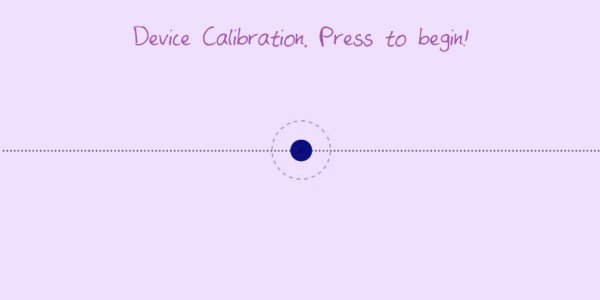
Figure 2. Press to begin
How to Control
The control system is simple because the gameplay revolves around a single main input.
-
Left Mouse Button: Press at the correct moment to move the orbiting planet to the next tile.
-
Spacebar: Use the keyboard to perform the rhythm input when supported by the browser version.
-
Pause: Stop the current attempt and access the available game settings.
Although the controls are easy to understand, accurate timing takes practice. Avoid clicking repeatedly without following the soundtrack. Instead, listen to the beat and coordinate each input with the planets' movement.
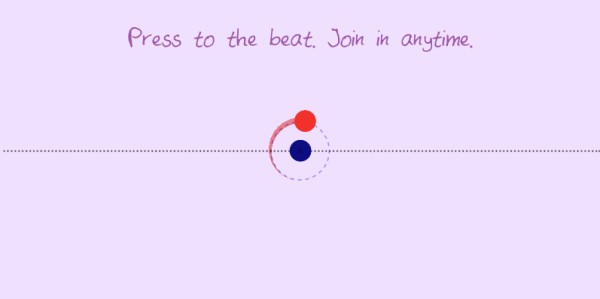
Figure 3. Press to the beat
Visual Design and Planet Appearance in A Dance of Fire and Ice
A Dance of Fire and Ice uses a minimalist visual style that keeps the two planets and their movement at the center of the experience. Rather than relying on detailed character designs, the game uses contrasting colors, geometric shapes, and animated effects to create a recognizable appearance.
Two Planets With Contrasting Colors
The two main planets represent fire and ice, creating a visual contrast that reflects the game's name. Their different appearances make it easier to distinguish their positions as they continuously orbit around each other.
The simple character designs also help maintain visual clarity. Even when the planets move through complicated turns, players can follow their positions without being distracted by unnecessary details.
Geometric Tracks and Changing Environments
The path is built from geometric tiles arranged in different patterns. Straight lines, sharp corners, and unusual angles create the foundation of each rhythm challenge. These shapes are not merely decorative because their arrangement determines the timing required for the next input.
The surrounding visual environment also contributes to the experience. Different stages can introduce new backgrounds, colors, and atmospheric details, giving the gameplay a distinctive appearance while keeping the geometric path easy to recognize.
A Simple Yet Recognizable Visual Identity
The minimalist presentation makes the gameplay easy to understand, even when the rhythm becomes difficult. The two planets remain the main focus, while the track communicates where they need to move next.
This visual approach works particularly well with the one-button control system. Players can concentrate on the planets, recognize upcoming turns, and listen to the music without having to manage complicated character movements.
Tips and Strategies for A Dance of Fire and Ice
Although the game has simple controls, completing challenging sequences requires patience and a good understanding of rhythm. Developing consistent timing is more useful than trying to react quickly to every movement.
Listen to the Music Instead of Watching Only the Planets
The soundtrack provides important clues about when you should press the button. Since every movement follows a musical beat, listening carefully can help you anticipate upcoming inputs.
Try to recognize repeated sounds and rhythmic patterns. Once you become familiar with a sequence, you can prepare for the next tile before the orbiting planet reaches it. This makes complicated sections easier to follow.
Recognize Different Track Angles
The geometric arrangement of each track determines how much time you have before the next input. A straight path may follow a regular beat, while sharper turns can require more frequent presses.
Pay attention to how the planets move through consecutive angles. Learning these patterns will help you understand why certain sections feel faster than others, even when the soundtrack maintains a consistent tempo.
Adjust to Changes in Speed and Direction
Some sections introduce special tiles that change the planets movement. Speed modifiers can make the rhythm faster or slower, while direction-changing tiles alter the way the planets orbit.
These transitions require extra concentration because the timing you used in the previous section may no longer work. Listen for changes in the soundtrack and watch how the planets respond when they land on special tiles.
Stay Consistent Until the End
One of the biggest challenges is maintaining concentration throughout a complete level. Making several accurate inputs at the beginning is not enough if you lose track of the rhythm near the final section.
Remain focused, avoid unnecessary clicks, and follow the musical pattern you have learned. With consistent timing and a better understanding of the track, you can gradually improve your performance and reach the final destination.
Game Style in A Dance of Fire and Ice
A Dance of Fire and Ice combines minimalist 2D graphics, geometric movement, and rhythm-based gameplay. Its simple presentation allows music and timing to become the most important parts of the experience.
Colors and Visual Effects
The contrasting appearance of the fire and ice planets creates a recognizable visual identity. Different geometric environments introduce additional colors and effects, helping each stage maintain its own atmosphere without overwhelming the main gameplay elements.
Music and Rhythm
Music is the foundation of the entire experience. Every movement is connected to the soundtrack, turning each button press into part of a continuous musical sequence. Players must recognize changes in tempo and follow the beat accurately to keep the planets moving.
2D Geometric Graphics
The game features a clean 2D design built around two orbiting planets and a winding geometric track. Different tile angles create distinctive movement patterns, making the level visually simple but mechanically challenging.
Atmosphere and Overall Experience
The combination of synchronized movement, colorful environments, and rhythmic sound effects creates an engaging atmosphere. Each successful input feels connected to the music, while increasingly complicated tracks provide a satisfying challenge for players who enjoy rhythm games.