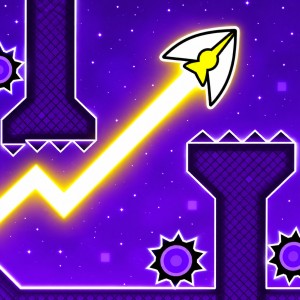
Space Waves
 Geometry Dash Lite
 Geometry Dash 3D
 Geometry Dash Slow
 Geometry Dash Grief
 No Broke Dash
 Another Drink Dash
 Geometry Dash Wave
 I Just Might Dash
 Geometry Dash Demons
 Geometry Dash Meltdown 3D
 Geometry Dash Wave Challenge
 Gaminia
 Geometry Dash Onward
 Geometry Dash Press Start
 Geometry Dash Suponho
 On On Dash
 Victory Lap Dash
 Geometry Vibes 3D
 Geometry Dash Retray
 Geometry Dash Switch
 Geometry Dash World
 Geometry Dash Tidal Wave
 Geometry Dash Hairless Adventure
 Infrunami
 Geometry Dash Daily Level: Dream World
 Geometry Dash Polargeist
 Geometry Jump
 Geometry Jump 2
 Geometry Dash Wave 3D
 Gravity Run
 Geometry Arrow
 Challenge Rush
 Geometry Dash Breeze 3D
 Geometry Dash Bloodbath
 Geometry Dash Spam 3D
 Slope 3
 Geometry Arrow 3D
 Space Waves 3D
 Geometry Dash Subzero 3D
 Crazy Roll 3D
 Geometry Dash Lite 3D
 Geometry Dash Happy Halloween
 Geometry Black Ball
 Geometry Dash Breeze
 Geometry Vibes
 Geometry Dash Subzero
 Geometry Dash Scratch
 Tap Road
 Geometry Dash Spam
 Bowmasters
 Geometry Dash Meltdown
 Geometry Dash Deadlocked
 Rodeo Stampede
 Find The Needle
 Iron Legion
 Count Masters
 Talking Tom Gold Run
 Subway Surfers
 Melon Sandbox
 Endacopia
 Hole Io
 Paper Minecraft
 Stickman Kombat 2D
 Stone Skimming
 Curve Rush 2
Space Waves Brings Precision and Fast Reactions Into Every Level
Guiding an arrow through a constantly changing tunnel requires more than quick reactions, especially when narrow passages and dangerous obstacles leave very little room for mistakes. Space Waves transforms this simple concept into an engaging arcade experience where players control an arrow that travels automatically through a series of geometric courses. Rather than managing complicated movement combinations, you only need to control its upward and downward direction while carefully navigating the path ahead. This straightforward approach makes the game accessible to newcomers while providing plenty of challenges for players who enjoy testing their coordination and concentration.
The central mechanic revolves around holding and releasing a control to create a continuous zigzagging movement pattern. Holding the input sends the arrow upward, while releasing it allows the arrow to descend, meaning that every action directly influences its position within the tunnel. Although this control system is easy to understand, maintaining a safe trajectory becomes increasingly demanding when the available space becomes narrower and obstacles appear closer together. A movement that seems harmless in an open section can quickly become a mistake when the next passage requires a completely different angle.
Fans of Geometry Dash may find the movement familiar because both games emphasize precise inputs, geometric obstacles, and the ability to navigate challenging sections without losing control. However, Space Waves develops its own identity through its collection of selectable levels and three distinct game modes, giving players different objectives beyond simply reaching the end of a course. Those who enjoy this style of arcade gameplay can also explore Geometry Dash, a website featuring more geometric challenges that reward accurate timing, concentration, and consistent performance.

Figure 1. Surf zig zag waves in Space Waves
A Colorful Geometric World Designed Around Movement
Space Waves creates its visual identity through vibrant colors, clearly defined geometric structures, and a futuristic environment that keeps the attention focused on the action. The contrast between the arrow and its surroundings makes it easier to recognize the available space while approaching dangerous sections, allowing players to identify obstacles without being distracted by unnecessary visual details. Its presentation supports the gameplay rather than competing with it, which is particularly important when the arrow is moving continuously and every reaction needs to be deliberate.
The side scrolling perspective gives players a consistent view of the tunnel as new obstacles gradually enter the screen. Walls, spikes, and rotating gears introduce different shapes and movement patterns, making the environment feel varied even though the main objective remains unchanged. The arrow's flowing trajectory also contributes to the overall presentation, creating a recognizable visual pattern that reflects every adjustment made by the player.
The Main Features That Shape the Space Waves Experience
A Simple Control System With Plenty of Depth
The movement system is built around a single primary action, allowing players to concentrate on navigation instead of remembering complicated commands. Holding the control makes the arrow rise, while releasing it sends the arrow downward, creating a responsive movement pattern that requires careful management of input duration. As the obstacles become more demanding, players must learn to make smaller adjustments and anticipate changes in the tunnel before reaching them.
A Variety of Levels and Difficulty Challenges
The browser version presents 33 selectable levels, each featuring its own obstacle arrangements and difficulty rating. This structure gives players the freedom to choose courses that match their current abilities rather than following a strictly linear progression. Easier stages provide more room to understand the movement system, while demanding courses introduce tighter passages and more complicated combinations of hazards that require greater accuracy.
Different Obstacles and Dangerous Structures
The courses feature several types of hazards, including sharp spikes, solid barriers, and rotating gears that can interrupt an otherwise successful attempt. Each obstacle influences how players should approach the upcoming section, since some require a controlled climb while others demand a carefully timed descent. Recognizing the available opening and choosing the appropriate movement before reaching a hazard are essential skills for maintaining a consistent run.
Three Game Modes With Different Objectives
One of the most appealing aspects of Space Waves is its selection of three game modes, each offering a different reason to return to the game. Classic Mode focuses on completing designed courses, Endless Mode challenges players to survive for the greatest possible distance, and Race Mode introduces competition against other racers. Although all three modes share the same fundamental control system, their objectives create noticeably different experiences.
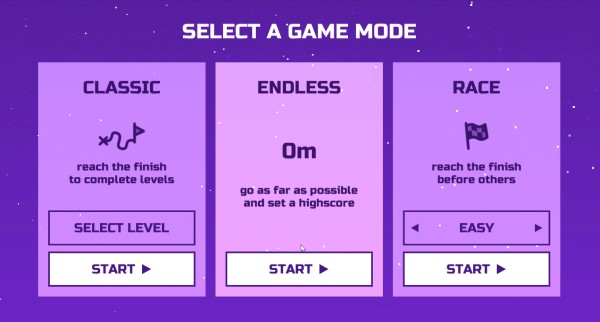
Figure 2. Three game modes in Space Waves
Explore Classic, Endless, and Race Modes in Space Waves
Classic Mode: Complete Carefully Designed Levels
Classic Mode serves as the main level based experience, where players navigate individual courses and attempt to reach the finish line without colliding with obstacles. Each level introduces a particular arrangement of tunnels, spikes, barriers, and other hazards, requiring players to adapt their movement according to the space available. Since the difficulty varies between stages, players can begin with more manageable courses before attempting levels that demand greater precision and concentration.
What makes Classic Mode particularly rewarding is the opportunity to become familiar with individual obstacle arrangements through repeated attempts. Instead of facing an entirely unpredictable environment, players can gradually understand where the tunnel becomes narrower, when a change in direction is necessary, and how much space is available for the next movement. Certain versions also provide practice opportunities with checkpoints, allowing players to concentrate on difficult sections without repeatedly completing the entire course. This makes Classic Mode a suitable starting point for beginners while giving experienced players a structured challenge to master.
Endless Mode: How Far Can You Travel?
Unlike Classic Mode, Endless Mode does not ask players to reach a predetermined finish line. Instead, the objective is to keep the arrow moving for as long as possible while avoiding an uninterrupted series of obstacles. The course continues beyond the point where a traditional level would normally end, turning each attempt into a test of concentration, reaction speed, and movement consistency.
The absence of a fixed destination changes the way players approach the challenge because survival becomes more important than completing a particular obstacle arrangement. Players must remain attentive as new hazards appear, adjusting their trajectory without making unnecessary movements that could lead to an unexpected collision. Every successful run provides an opportunity to travel farther and improve a personal distance record, making Endless Mode especially appealing to those who enjoy competing against their previous performances.
Race Mode: Compete to Reach the Finish First
Race Mode introduces a competitive objective by placing the player's arrow against other racers on a course leading toward the same finish line. Rather than focusing exclusively on personal progress, players must navigate the obstacles while trying to reach the destination before their opponents. The presence of competing arrows adds another layer of excitement because every successful section brings players closer to victory, while an unnecessary mistake can allow another racer to gain an advantage.
Although the movement controls remain familiar, the competitive setting encourages a different approach to navigation. Rushing through every obstacle is not necessarily the best strategy, since maintaining a stable trajectory is often more valuable than making risky adjustments that could result in a collision. Race Mode provides a refreshing alternative to the structured progression of Classic Mode and the individual survival challenge of Endless Mode, giving players another way to enjoy the same core mechanics. The opponents in this mode are computer controlled rather than a guarantee of real time online multiplayer competition.
Understanding the Gameplay and Improving Your Control
Every attempt in Space Waves begins with the arrow automatically moving forward, leaving players to manage its vertical position through carefully timed inputs. Holding the control for longer creates a more sustained upward movement, while releasing it allows the arrow to descend naturally. The relationship between these two actions determines how effectively players can pass through the available openings without touching the surrounding hazards.
The most important skill is learning to anticipate the next section instead of reacting only when an obstacle is directly in front of the arrow. A narrow corridor may require several small adjustments, while a more open passage provides enough room for a longer movement. Players who understand these differences can maintain a smoother trajectory and avoid unnecessary corrections that make navigation more difficult.
Repeated attempts also play an important role in improving performance. When a collision occurs, remembering the position of the obstacle and the movement that caused the mistake can make the next attempt more productive. Over time, players become more familiar with the different arrangements and develop a better sense of how long to hold or release the control.
How to Play Space Waves
Controls
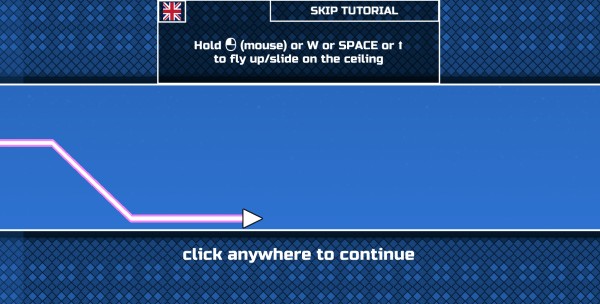
Figure 3. Game screen with control instructions
Space Waves uses an accessible control scheme that allows players to manage the arrow through keyboard, mouse, or touchscreen inputs.
-
W Key: Hold to move the arrow upward and release to descend.
-
Spacebar: Provides the same upward movement when held.
-
Up Arrow: An alternative keyboard input for controlling the arrow.
-
Left Mouse Button: Click and hold to rise, then release to move downward.
-
Touchscreen: Press and hold the screen to rise, then lift your finger to descend.
Useful Strategies for Completing More Levels
- Look Further Along the Course: Observing upcoming obstacles gives you more time to prepare the appropriate movement, especially when several hazards appear close together.
- Control the Duration of Each Input: Avoid holding the control longer than necessary, as excessive upward movement can leave the arrow in a dangerous position when the tunnel changes direction.
- Make Smaller Adjustments in Narrow Passages: Short and controlled inputs provide better precision when navigating confined areas where larger movements can easily cause collisions.
- Learn From Previous Attempts: Pay attention to the sections that repeatedly cause problems and use that knowledge to approach the same obstacles with better timing on your next run.
- Choose the Right Mode for Your Goals: Classic Mode is useful for learning individual courses, Endless Mode helps develop consistent survival skills, and Race Mode provides a competitive objective that encourages careful but confident navigation.
What Makes Space Waves Challenging and Rewarding?
The difficulty of Space Waves comes from the relationship between automatic forward movement and the player's responsibility to maintain an accurate trajectory. Since the arrow never stops advancing, there is limited time to evaluate each obstacle and decide how to respond. Narrow passages are particularly demanding because they leave little room for unnecessary adjustments, while rotating gears require players to consider their position before choosing a safe route.
Each game mode approaches this challenge from a different perspective, which helps maintain variety throughout the experience. Classic Mode rewards familiarity with individual levels, Endless Mode places greater emphasis on sustained concentration, and Race Mode introduces the pressure of reaching the finish before competing characters. Together, these objectives give players several opportunities to improve their abilities without changing the fundamental movement system.
Frequently Asked Questions
What Game Modes Are Available in Space Waves?
The game features Classic Mode, Endless Mode, and Race Mode. Each offers a different objective, ranging from completing individual levels to surviving an endless course or competing against other racers.
What Is the Difference Between Classic and Endless Mode?
Classic Mode features individual courses with designated finish lines, while Endless Mode removes the fixed destination and challenges players to travel as far as possible without crashing.
Can Players Compete Against Others in Race Mode?
Race Mode places players against computer controlled racers and challenges them to reach the finish line first. It introduces a competitive element without changing the basic movement controls.
Is Space Waves Similar to Geometry Dash?
Both games emphasize precise movement, geometric obstacles, and accurate timing. However, Space Waves focuses on guiding an arrow through continuous vertical movement, offering a distinct experience for fans of arcade navigation challenges.
Start Your Next Challenge in Space Waves
Space Waves combines an accessible control system with demanding obstacle courses, creating an arcade experience that rewards patience, concentration, and precise movement. Its colorful geometric environments, selectable levels, and three different game modes provide plenty of variety for players who enjoy improving their skills through repeated challenges. Whether you prefer completing carefully designed courses in Classic Mode, pursuing a greater distance in Endless Mode, or racing against computer controlled opponents, each mode offers a different way to experience the game's central mechanics.
Take control of the arrow, learn to manage every movement, and find out how far your abilities can take you. Space Waves offers an engaging challenge for anyone who enjoys fast paced arcade games where careful decisions and consistent control make the difference between success and failure.