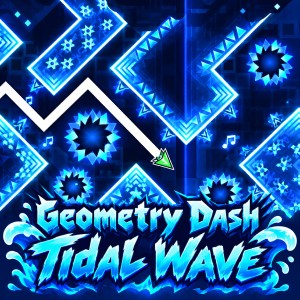
Geometry Dash Tidal Wave
 Stickman Kombat 2D
 Geometry Black Ball
 Melon Sandbox
 Hole Io
 Paper Minecraft
 Geometry Dash Happy Halloween
 Geometry Dash 3D
 Geometry Dash Lite
 On On Dash
 Geometry Dash Wave
 No Broke Dash
 Geometry Dash Meltdown 3D
 Geometry Dash Slow
 Another Drink Dash
 Geometry Dash Onward
 Geometry Dash Grief
 Geometry Vibes
 Victory Lap Dash
 Geometry Dash Polargeist
 I Just Might Dash
 Geometry Dash Press Start
 Geometry Dash Demons
 Geometry Dash Wave Challenge
 Gaminia
 Infrunami
 Geometry Dash Retray
 Geometry Dash Switch
 Geometry Vibes 3D
 Geometry Dash Hairless Adventure
 Geometry Dash Suponho
 Geometry Dash Daily Level: Dream World
 Geometry Dash World
 Geometry Jump
 Geometry Jump 2
 Geometry Dash Breeze 3D
 Geometry Arrow
 Geometry Dash Bloodbath
 Geometry Dash Spam 3D
 Geometry Dash Subzero 3D
 Geometry Arrow 3D
 Geometry Dash Lite 3D
 Geometry Dash Scratch
 Geometry Dash Subzero
 Geometry Dash Spam
 Geometry Dash Meltdown
 Geometry Dash Breeze
 Geometry Dash Deadlocked
 Count Masters
 Crazy Roll 3D
 Talking Tom Gold Run
 Subway Surfers
 Endacopia
The Idea That Defines Tidal Wave
Where the Wave Inspired the Challenge
A tidal wave represents a powerful natural force that advances with tremendous speed and intensity, creating a compelling concept for a game built around movement and precision. When translated into platform design, this idea suggests a continuous challenge in which players must react quickly, maintain control, and avoid mistakes as obstacles appear along the route. The combination of this theme with the movement mechanics of Geometry Dash provides a natural way to understand the level's intense character.
Inspired by the concept of an overwhelming wave, the level brings together demanding movement patterns and the precision required by advanced Geometry Dash challenges. Rather than depending on a traditional narrative, its identity comes from the pressure of navigating complex sequences, reacting to hazards, and maintaining consistent control. These elements establish a challenge centered on concentration, accuracy, and the determination to reach the finish.

Figure 1. Wave passing through narrow gaps
The Theme and Goal of the Level
Unlike story driven platform games, this level does not depend on an established narrative with named characters or a detailed fictional world. Its identity is expressed mainly through its title, visual design, musical presentation, and challenging gameplay.
The main objective is to guide the icon through the course without colliding with obstacles. Each section demands careful movement and accurate timing, turning completion into a test of concentration and control. The idea of a powerful wave also provides a useful way to describe the sense of momentum and pressure associated with its demanding sequences.
Gameplay and Core Mechanics
Core Gameplay Loop
The gameplay follows the familiar structure of Geometry Dash, combining rhythmic music, obstacle avoidance, and precise inputs in a continuous platforming challenge. Players guide an icon through a designed course, responding to hazards and adjusting their movements to reach the finish without colliding with obstacles.
Wave mode plays a central role in this style of gameplay. Holding the assigned input moves the icon diagonally upward, while releasing it sends the icon diagonally downward. By alternating between these actions, players can navigate narrow passages, avoid spikes, and adjust their trajectory through complicated patterns. Even a small difference in timing can affect the movement path, making controlled inputs essential.
Repeated attempts also contribute to the learning process, allowing players to become more familiar with obstacle placement, movement patterns, and the timing needed to navigate difficult sections. Progress relies on consistency and precision rather than speed alone.
Obstacles, Challenges, and Progression
The main difficulty comes from navigating dense obstacle patterns that leave little room for error. Narrow corridors, sharp spikes, rapid directional changes, and tightly timed movements demand constant attention, particularly when wave sections require players to maintain a precise trajectory through restricted spaces.
Progress depends on recognizing patterns, anticipating upcoming hazards, and adjusting each input to suit the course. As players become more familiar with the level's structure, they can refine their timing and approach difficult sequences with greater consistency. Completing such a demanding challenge requires sustained concentration and accurate movement throughout the run.
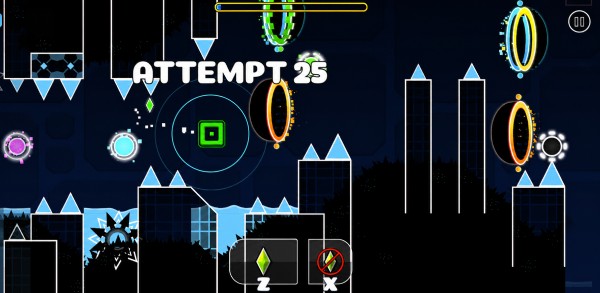
Figure 2. A screen showing the navigation through obstacles amidst a dense wave
Visual Design, Colors, and Sound
Art Style and Color Palette
The visual presentation follows the geometric style associated with Geometry Dash, using angular shapes, sharp hazards, animated backgrounds, and synchronized effects to create a distinctive arcade atmosphere. The title evokes the scale and movement of ocean waves, providing a thematic connection between the name and the intensity suggested by the level's design.
Contrasting colors, illuminated structures, and animated effects can help separate obstacles from the surrounding environment while maintaining visual interest. These elements also contribute to the atmosphere without changing the fundamental objective of navigating the course safely. Specific colors and effects should be described according to the actual level presentation rather than assumed design details.
Music, Rhythm, and Environment
Music is an important part of Geometry Dash, connecting the pace of a level with its atmosphere and movement patterns. In this challenge, the demanding sequences make rhythm and timing particularly relevant, as players must coordinate their inputs with the obstacles appearing along the route.
Audio and visual effects can reinforce the intensity of different sections, creating a stronger sense of momentum as the course progresses. Although the music may help players anticipate certain patterns, successful navigation still depends on observing hazards and controlling each movement accurately.
Game Controls and Supported Devices
PC Controls
On PC, players can control the wave using the mouse, with movement determined by the timing of each click and release. Holding the left mouse button moves the icon diagonally upward, while releasing it sends the icon diagonally downward, requiring careful adjustments to navigate narrow passages, avoid spikes, and maintain control through demanding obstacle sequences. By anticipating upcoming hazards and coordinating each input with the movement pattern, players can improve their precision and progress through challenging sections more consistently.
Mobile Controls
On compatible mobile versions, players generally tap and hold the touchscreen to control movement, then release it to change direction in wave mode. This input method follows the same basic movement principle as mouse controls, requiring players to manage the duration of each touch while navigating narrow spaces and avoiding hazards.
However, compatibility depends on the version and platform used to access the level. Players should check the relevant game page for confirmed mobile support rather than assuming that every browser based version works on all devices.
Key Features and Game Highlights
The level stands out within the Geometry Dash community for its association with extreme difficulty and its emphasis on accurate wave control. Several characteristics help explain its appeal:
- Precision Based Movement: Wave sections require carefully controlled upward and downward movement through narrow spaces, leaving little room for inaccurate inputs.
- Demanding Obstacle Patterns: Closely arranged hazards and rapid changes in direction place pressure on reaction speed, concentration, and consistency.
- Rhythm Focused Gameplay: Music and visual effects contribute to the atmosphere while complementing the timing focused nature of the challenge.
- Practice and Improvement: Repeated attempts allow players to learn obstacle patterns, refine their movement, and work toward completing difficult sections.
- Community Recognition: Its reputation as a highly demanding level makes it a notable example of the difficulty and creativity found in community made Geometry Dash content.
Together, these characteristics demonstrate how a simple control scheme can support intricate obstacle design and a demanding platforming experience.
Frequently Asked Questions
How do you control the wave?
Players hold the assigned input to move diagonally upward and release it to move diagonally downward. Alternating between these actions helps guide the icon through narrow passages while avoiding spikes and other hazards.
Is the level difficult?
Yes. It is widely associated with a high level of difficulty, requiring precise movement, quick reactions, and consistent execution across demanding obstacle sequences.
Can you play on mobile devices?
Mobile compatibility depends on the version and platform used to access the level. Check the available game page to confirm device support and whether the controls work correctly on your device.
Does Tidal Wave have an official storyline?
The level is primarily recognized for its gameplay challenge rather than an established narrative featuring named characters and detailed story events. Its title suggests a connection with the power and intensity of a tidal wave, while the main objective remains focused on navigating obstacles and reaching the finish.
Discover Tidal Wave
With its precision based movement, demanding obstacle patterns, and rhythm focused design, Tidal Wave represents the challenging side of the Geometry Dash community. Its appeal lies in learning difficult sequences, improving control, and maintaining accuracy throughout the course.
Visit the available game page to learn more about the level and access the version provided there. Whether exploring its design or looking for information about its mechanics, players can discover how timing, concentration, and persistence define this demanding platforming challenge.